
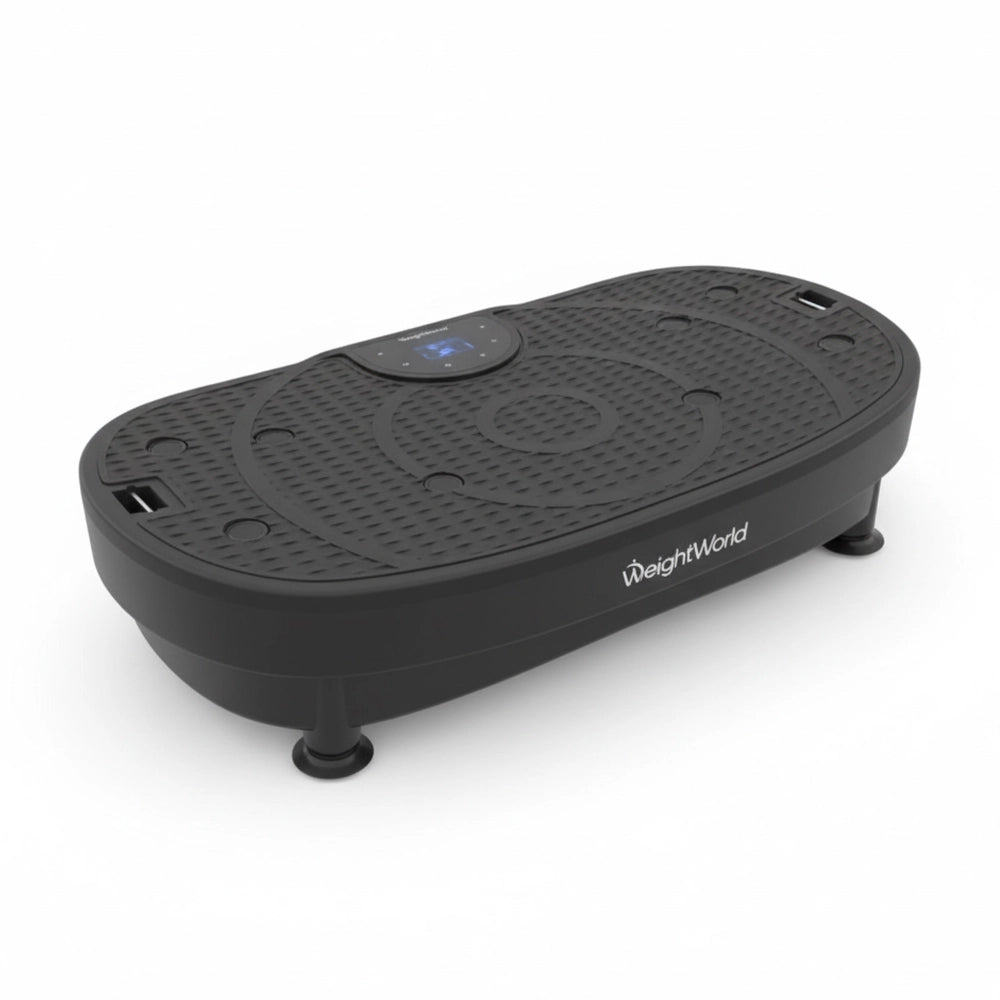
Vibration plates have become a staple in modern fitness facilities and home gyms alike, offering a time-efficient way to improve strength, flexibility, and circulation. While the technology is straightforward, delivering rapid oscillations that stimulate muscle fibers, the safety considerations are equally important. Understanding how to use a vibration plate correctly can prevent injuries, maximize workout efficiency, and ensure long-term enjoyment of this versatile equipment.
Understanding the Mechanics of a Vibration Plate Machine
Before diving into safety protocols, it helps to grasp the basic principles behind the device. A vibration plate generates vertical or oscillating movements measured in Hertz (Hz) and amplitude (mm). These parameters dictate the intensity of the stimulus and influence how the body responds.
- Frequency (Hz): Typically ranges from 5 to 60 Hz. Lower frequencies are suited for warm-ups and rehabilitation, while higher frequencies target strength and power.
- Amplitude (mm): Small amplitudes (1-2 mm) provide a gentle stimulus; larger amplitudes (up to 10 mm) increase muscle activation.
- Direction of Vibration: Some machines offer vertical, oscillating, or tri-axial motion, each engaging muscles differently.
Pre-Workout Safety Checklist
Assess Your Health Status
Consult a medical professional if you have any of the following conditions before using a vibration plate machine:
- Recent surgery or orthopedic injuries
- Pregnancy (especially after the first trimester)
- Implanted medical devices such as pacemakers
- Severe cardiovascular disease
Prepare the Environment
- Place the plate on a stable, flat surface free of clutter.
- Ensure adequate lighting and ventilation.
- Keep a non-slip mat or towel nearby for quick foot adjustments.
Equipment Inspection
- Check that the footplates are securely attached and free of cracks.
- Verify that all cables are intact and the power cord is undamaged.
- Test the control panel for responsive buttons and clear display readings.
Correct Positioning and Technique
Foot Placement
Stand with feet shoulder-width apart, centered on the platform. Distribute weight evenly to avoid excessive pressure on one side, which can cause wobbling and strain.
Posture Guidelines
- Maintain a neutral spine; avoid excessive arching or rounding.
- Engage core muscles throughout the session to stabilize the torso.
- Keep knees slightly bent (10-15??) to reduce joint stress.
Progressive Intensity
Begin with low frequency (5-10″?Hz) and minimal amplitude for 30-seconds, then gradually increase by 5″?Hz increments as comfort allows. This progressive approach helps the neuromuscular system adapt safely.
Common Mistakes and How to Avoid Them
- Excessive Duration: Sessions longer than 15″?minutes can lead to muscle fatigue and dizziness. Aim for 5-10″?minute intervals, especially when starting out.
- Static Holds: Remaining completely still defeats the purpose of dynamic stimulation. Incorporate light squats, lunges, or calf raises to keep muscles engaged.
- Improper Footwear: Shoes with thick soles dampen vibration transmission. Opt for barefoot or thin, flexible socks to maximize effectiveness.
- Ignoring Pain Signals: Discomfort beyond mild muscle fatigue may indicate improper form or excessive intensity. Stop immediately and reassess.
Safety Protocols During Use
Monitoring Vital Signs
Keep a pulse monitor or smartwatch handy to track heart rate. If the rate exceeds 85″?% of your maximum predicted value, reduce intensity or pause.
Hydration and Breathing
- Drink water before, during, and after the session to prevent dehydration.
- Practice rhythmic breathing, inhale through the nose, exhale through the mouth, to maintain oxygen flow.
Emergency Stop Procedures
Familiarize yourself with the machine’s emergency stop button. In case of dizziness, loss of balance, or any sudden discomfort, press the stop immediately and step off the platform safely.
Post-Workout Recovery
- Cool down with gentle stretching, focusing on the calves, hamstrings, and lower back.
- Apply a light massage or foam rolling to alleviate muscle tightness.
- Record session details (frequency, amplitude, duration) in a training log to track progress and adjust future workouts.
Maintenance Tips for Longevity
- Wipe the surface after each use to prevent dust buildup.
- Inspect the vibration motor quarterly for unusual noises.
- Follow the manufacturer’s recommended service schedule, usually every 12 months for professional-grade units.
Integrating the Vibration Plate into a Balanced Fitness Regimen
While a vibration plate offers unique neuromuscular benefits, it should complement, not replace, traditional strength and cardio training. Pair short vibration sessions with resistance workouts, yoga, or interval training for a well-rounded program.
Conclusion
Adhering to safety guidelines, maintaining proper technique, and respecting personal limits are essential for unlocking the full potential of a vibration plate machine. By following the structured approach outlined above, users can enjoy enhanced muscle activation, improved circulation, and a reduced risk of injury, all while making the most efficient use of their workout time.
