
When it comes to maximizing athletic performance, recovery, and overall health, the right nutritional support can be a game-changer. Modern sports science has shown that targeted supplementation, when paired with proper training and diet, helps athletes of every level unlock hidden potential, improve endurance, and reduce injury risk. Understanding how these products work, when to use them, and what to look for in quality formulations empowers anyone from weekend warriors to elite competitors to make informed choices that support their goals.
Why Consider Sports Supplements?
Supplements are not a shortcut; they are a strategic addition to a well-balanced diet. They fill nutritional gaps, enhance specific physiological pathways, and provide nutrients in forms that are more readily absorbed during intense training periods.
- Addressing Micronutrient Deficiencies: Even athletes who eat clean can fall short on vitamins and minerals like iron, vitamin D, or magnesium.
- Supporting Energy Systems: Creatine, beta-alanine, and caffeine target ATP regeneration and buffer acidity, allowing longer, more powerful efforts.
- Accelerating Recovery: Protein powders, branched-chain amino acids (BCAAs), and omega-3 fatty acids help repair muscle tissue and reduce inflammation.
- Optimizing Hormonal Balance: Adaptogens and specific amino acids can modulate cortisol and testosterone levels, influencing muscle growth and stress resilience.
Key Categories of Effective Supplements
1. Protein & Amino Acids
Protein is the building block of muscle. High-quality whey, casein, or plant-based proteins deliver essential amino acids quickly, while BCAAs and EAAs support muscle protein synthesis during and after workouts.
- Whey isolate for rapid post-workout delivery.
- Casein for sustained release during sleep.
- Plant blends (pea, rice, hemp) for vegan athletes.
2. Creatine
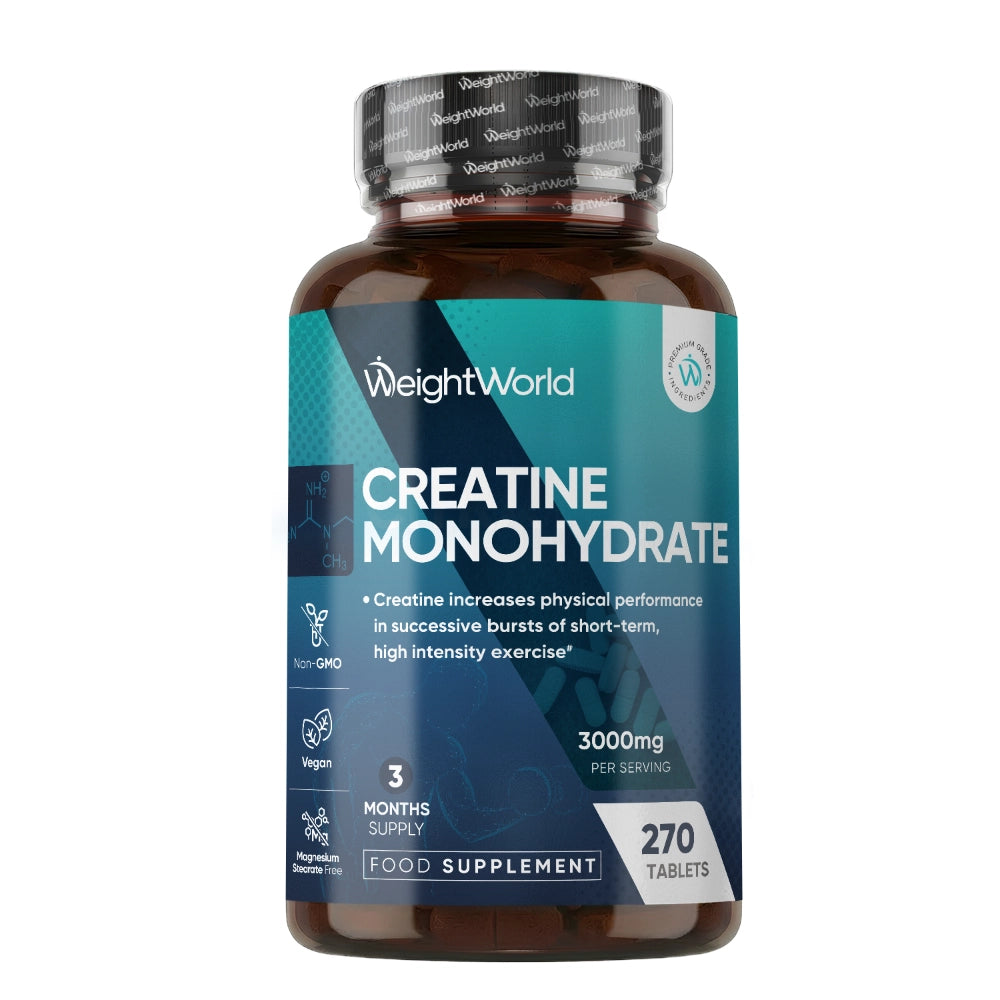
Creatine monohydrate remains the most researched supplement for increasing strength, power, and lean mass. It works by replenishing phosphocreatine stores, enabling more repetitions and faster sprint times.
- Typical dose: 3-5″?g daily.
- Loading phase optional but not required.
- Benefits extend to cognitive performance under fatigue.
3. Beta-Alanine & Carnosine Boosters
Beta-alanine raises intramuscular carnosine, buffering hydrogen ions that cause the “burn” during high-intensity efforts. Consistent use can improve performance in activities lasting 1-4 minutes.
- 5-6″?g per day, split into smaller doses to avoid tingling.
- Synergistic when combined with creatine.
4. Electrolytes & Hydration Aids
Maintaining fluid balance is critical for endurance events. Electrolyte powders or tablets replace sodium, potassium, magnesium, and calcium lost through sweat, supporting nerve function and muscle contraction.
- Choose products without excessive sugars.
- Adjust dosage based on climate and sweat rate.
Choosing Quality sports supplements
Not all supplements are created equal. Quality assurance, third-party testing, and transparent labeling are essential criteria.
- Third-Party Certification: Look for NSF, Informed-Sport, or USP verification.
- Ingredient Transparency: Full disclosure of source, purity, and dosage per serving.
- Manufacturing Standards: GMP-certified facilities reduce contamination risk.
- Customer Reviews & Research: Real-world feedback and peer-reviewed studies support efficacy claims.
Integrating Supplements Into a Training Plan
Timing and dosage are as important as the supplement itself. Below is a practical framework for incorporating common products into daily routines.
- Pre-Workout (30-60″?min before): Caffeine (100-200″?mg), beta-alanine, and a small carbohydrate source for energy.
- During Workout: Electrolyte drink for endurance sessions; intra-workout BCAAs for prolonged resistance training.
- Post-Workout (within 30″?min): Whey protein (20-30″?g) with creatine (5″?g) and a fast-acting carbohydrate to replenish glycogen.
- Before Bed: Casein protein or a magnesium supplement to support recovery and sleep quality.
Potential Risks and How to Mitigate Them
While most supplements are safe when used responsibly, certain considerations help avoid adverse effects.
- Allergies & Intolerances: Check for dairy, soy, or gluten in formulations.
- Dosage Limits: Exceeding recommended amounts can strain kidneys (e.g., excessive protein) or cause gastrointestinal upset (e.g., high beta-alanine).
- Interactions with Medications: Consult a healthcare professional if you’re on prescription drugs, especially blood thinners or antihypertensives.
- Pregnancy & Youth Use: Seek medical advice before starting any supplement regimen.
Future Trends in Sports Nutrition
Innovation continues to reshape the supplement landscape. Emerging areas include personalized nutrition based on genetic testing, plant-derived peptides that mimic animal proteins, and smart delivery systems that release nutrients at optimal times during exercise.
- AI-driven supplement recommendations tailored to individual training data.
- Micro-encapsulation technologies that protect sensitive ingredients until they reach the small intestine.
- Sustainable sourcing, with a focus on reducing environmental impact while maintaining efficacy.
Conclusion
Optimizing performance is a multifaceted endeavor that blends disciplined training, balanced nutrition, and strategic supplementation. By selecting high-quality products, timing intake to align with workout demands, and staying informed about the latest scientific insights, athletes can safely enhance strength, endurance, and recovery. The right supplement regimen acts as a catalyst, helping individuals unlock their full potential and achieve goals that once seemed out of reach.
