
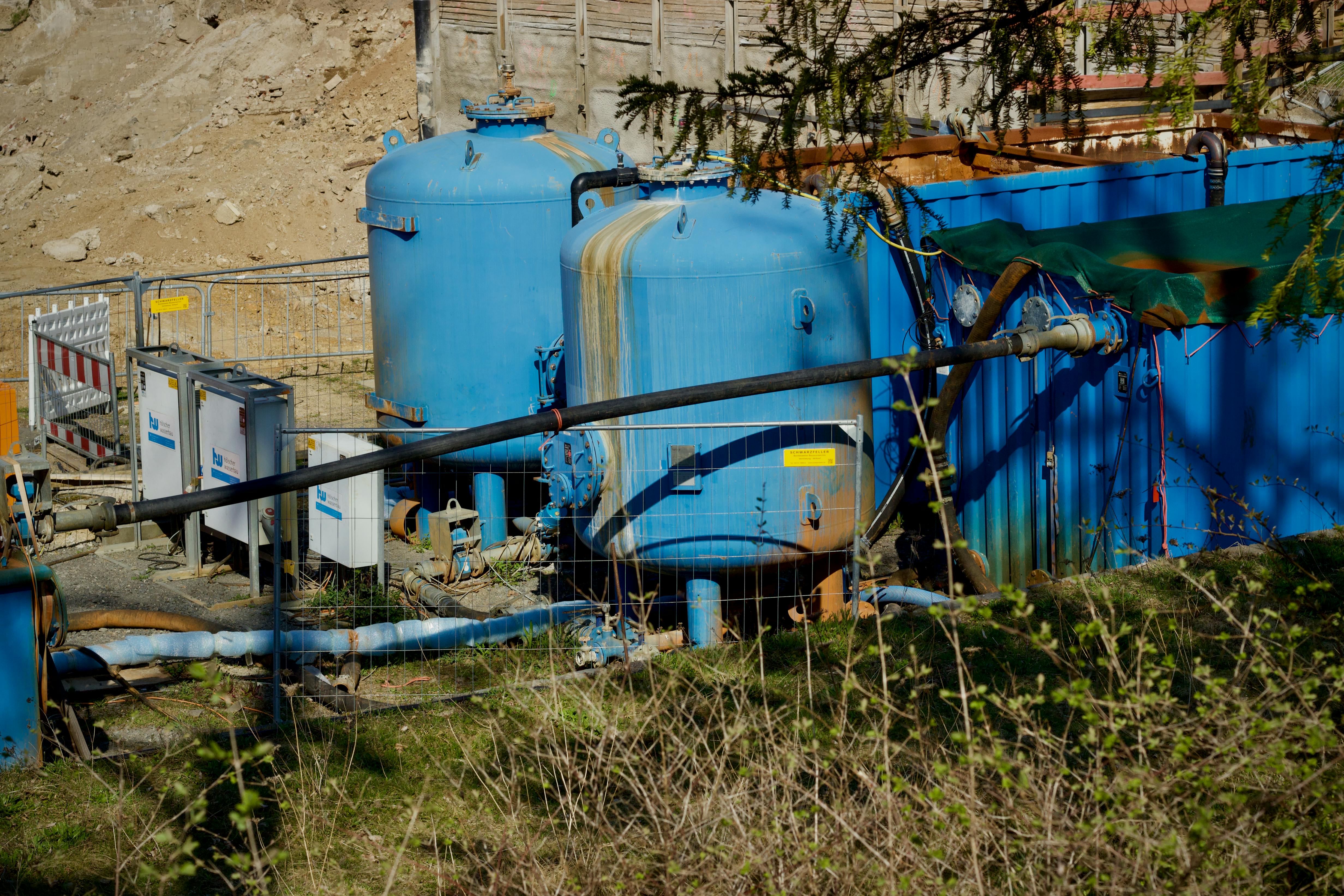
In the quest for safe and clean water, understanding the various water treatment systems available is crucial for both residential and industrial applications. Water treatment processes are designed to remove contaminants and improve the quality of water to make it suitable for specific end uses. This article delves into different types of water treatment systems, underscoring their significance and unique features. With the increasing demand for clean water, the role of water treatment experts has never been more vital, providing tailored solutions to meet diverse water quality needs.
Types of Water Treatment Systems
Water treatment systems vary widely, from simple filtration units to complex purification mechanisms. Each system is designed to address specific water quality issues and is chosen based on the contaminants present and the desired water quality outcome.
Filtration Systems
Filtration is one of the most common methods of water treatment. It involves the physical removal of particles from water by passing it through a porous medium. Typical filtration systems include:
- Sand Filtration: Uses a bed of sand to remove suspended solids.
- Carbon Filtration: Utilizes activated carbon to absorb impurities such as chlorine and organic compounds.
- Reverse Osmosis: Employs a semi-permeable membrane to remove ions, molecules, and larger particles.
For comprehensive filtration needs, consulting a Water Filtration Company can provide tailored solutions for both domestic and industrial requirements.
Purification Systems
Water purification systems are designed to produce high-purity water through various methods. These systems are essential in applications where water quality is critical, such as in laboratories and pharmaceutical production. Key purification systems include:
- Distillation: Involves heating water to create vapor, which is then condensed back into liquid form, leaving impurities behind.
- Ultraviolet (UV) Treatment: Uses UV light to disinfect water by deactivating harmful microorganisms.
- Deionization: Removes mineral ions using ion exchange resins, ideal for applications requiring mineral-free water.
Selecting the right purification system is crucial, and engaging a Water Purification Company can help in achieving the desired water quality standards.
Specialized Water Treatment Solutions
In addition to standard filtration and purification, specialized water treatment solutions cater to specific needs, such as:
- Softening systems: Designed to remove calcium and magnesium ions, softening systems help in reducing water hardness.
- Desalination: Used primarily for seawater, desalination processes remove salt and other minerals to produce fresh water.
- Aeration: Involves adding air to water to remove dissolved gases and volatile compounds.
For tailored Water Treatment Solutions, consulting industry professionals ensures that specific water challenges are addressed effectively.
Choosing the Right Water Treatment System
Selecting the most suitable water treatment system involves evaluating water quality, determining the type of contaminants present, and considering the intended use of the treated water. Engaging with a reputable Water Treatment Company provides the expertise needed to navigate the complexities of water treatment technologies and select a system that best meets specific requirements.
Factors to consider include:
- The quality and source of the water to be treated.
- The specific contaminants present in the water.
- The intended use of the treated water, such as drinking, industrial processes, or irrigation.
- Cost-effectiveness and maintenance requirements of the system.
As water becomes an increasingly precious resource, leveraging the expertise of a Water Treatment Systems provider ensures that water quality meets both regulatory standards and user expectations.
