
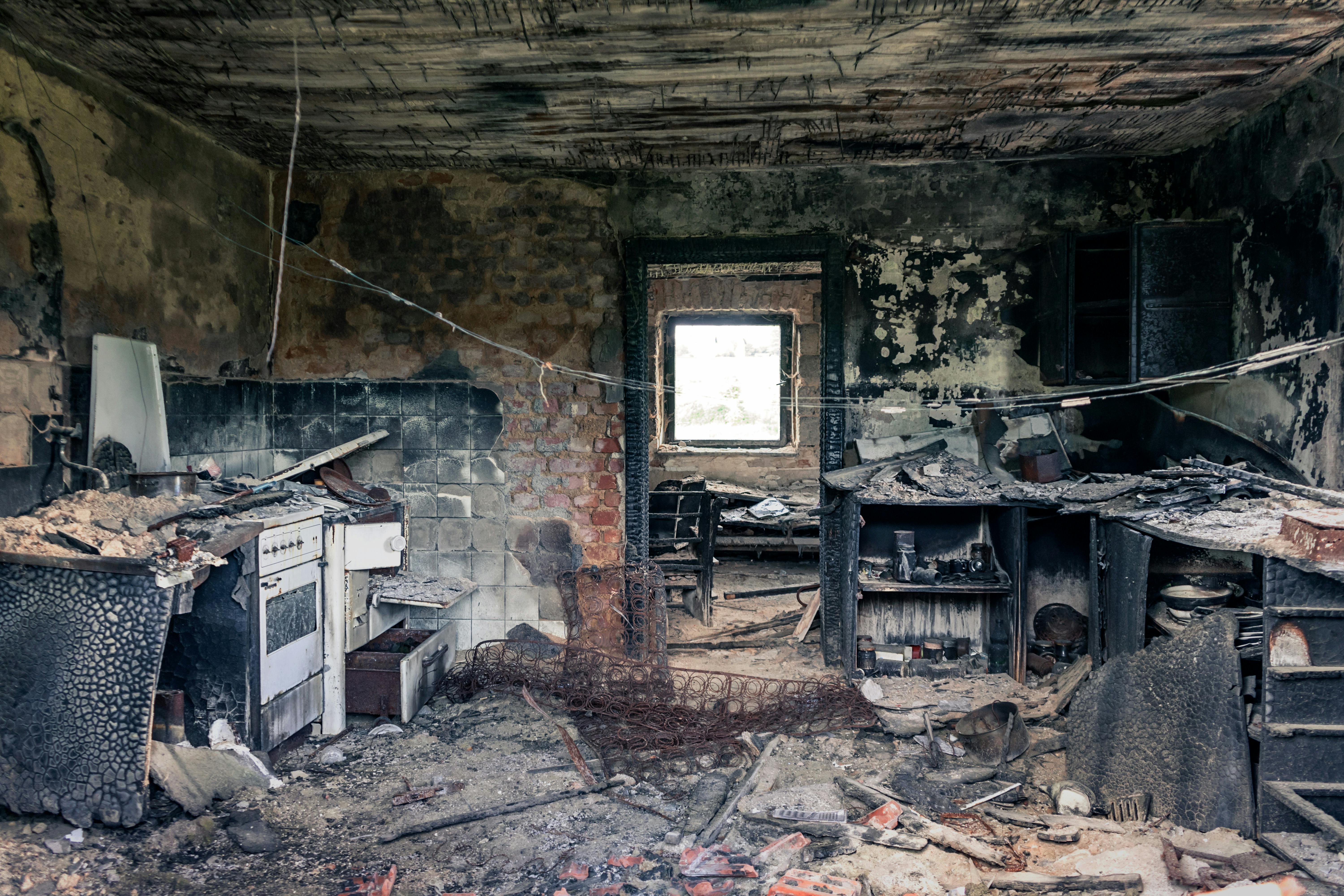
Boulder, with its picturesque landscapes and thriving ecosystems, is unfortunately also vulnerable to wildfires due to its dry climate and dense vegetation. Effective fire abatement and cleanup not only help in preserving the environment but also in protecting homes and communities. Understanding the best practices for fire abatement and cleanup can significantly reduce risks and ensure swift recovery after a fire. Here are some expert tips to guide you through the process.
Understanding Fire Abatement
Fire abatement involves taking preventive measures to reduce the risk of fire outbreaks. It’s a crucial aspect of wildfire management, especially in fire-prone areas like Boulder.
Key Strategies for Fire Abatement
- Vegetation Management: Regularly trim trees and shrubs to minimize fuel for fires. Remove dead trees and plants, and maintain a clearance zone around structures.
- Defensible Space: Create a buffer zone between buildings and wildland areas. This space can slow down or stop the spread of a wildfire.
- Fire-Resistant Landscaping: Use fire-resistant plants and materials when landscaping. Gravel, rock, and non-combustible mulch can be effective choices.
- Regular Maintenance: Clean roofs and gutters of dead leaves and debris. Ensure that chimneys and vents are covered with spark arrestors.
- Emergency Access: Ensure that driveways and roads are clear and accessible for emergency services. Clearly label streets and addresses for quick response.
Implementing these strategies is essential for effective fire mitigation abatement cleanup in Boulder. It not only protects properties but also contributes to community safety.
Post-Fire Cleanup
In the unfortunate event of a fire, swift and thorough cleanup is vital. The aftermath of a fire can pose various health and safety risks, so proper cleanup is essential for recovery.
Essential Steps for Post-Fire Cleanup
- Assess the Damage: Before cleanup begins, evaluate the extent of damage. This helps in prioritizing tasks and estimating the resources needed.
- Air Quality Control: Use air purifiers to reduce smoke particles and improve indoor air quality. Ventilate the area by opening windows and using fans.
- Protective Gear: Always wear protective clothing, gloves, and masks to avoid exposure to harmful substances like ash and soot.
- Proper Disposal: Dispose of debris and damaged materials responsibly. Follow local regulations for hazardous waste disposal.
- Professional Assistance: Engage professionals for thorough cleanup and restoration. They possess the necessary equipment and expertise to handle complex situations.
These steps are part of a comprehensive approach to fire mitigation abatement cleanup in Boulder, ensuring effective recovery and restoration of affected areas.
Community Involvement and Education
Community involvement plays a critical role in successful fire abatement and cleanup. Educating residents about fire risks and safety measures can significantly enhance prevention efforts.
Engaging the Community
- Workshops and Training: Organize workshops to educate the community about fire safety practices and abatement techniques.
- Community Drills: Conduct regular fire drills to ensure readiness and improve response times during an actual fire event.
- Collaboration with Authorities: Partner with local authorities and fire departments to coordinate efforts and resources effectively.
- Firewise Programs: Participate in Firewise programs that are designed to help communities reduce the risk of wildfires.
By fostering a community-focused approach, the impacts of wildfires can be mitigated, and recovery can be accelerated. For more information on fire safety and management, explore the available resources on fire mitigation abatement cleanup in Boulder.
In conclusion, effective fire abatement and cleanup require a combination of preventive measures, efficient response strategies, and strong community involvement. By implementing these top tips, Boulder can continue to protect its natural beauty and the well-being of its residents.
