
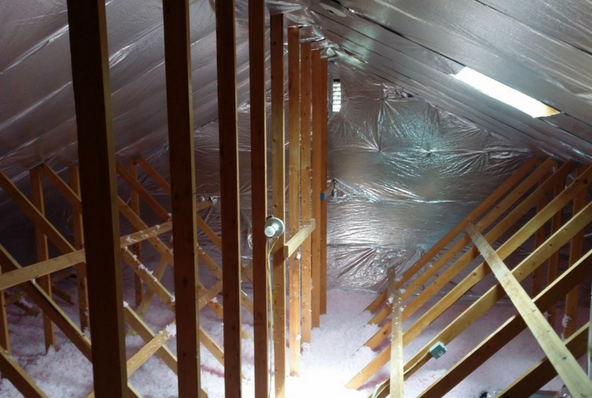
Retrofitting insulation in a home is an effective way to enhance energy efficiency, reduce utility costs, and increase overall comfort. As buildings age, their insulation may degrade or become outdated, leading to increased energy expenditure and discomfort. By upgrading the insulation, homeowners can enjoy significant benefits, including improved indoor air quality and a reduced carbon footprint. The process of retrofitting insulation can vary widely depending on the structure and existing materials, making it crucial to understand the different approaches and options available.
Understanding Retrofit Insulation
Retrofit insulation refers to the process of adding new insulation to an existing structure that either has no insulation or insufficient insulation. This process can involve different types of materials and techniques tailored to specific needs and conditions. Discover expert strategies here to enhance your home”?s insulation.
Benefits of Retrofitting Insulation
- Improved energy efficiency, leading to lower utility bills.
- Enhanced indoor comfort by maintaining consistent temperatures.
- Reduced environmental impact by lowering energy consumption.
- Increased property value through upgraded features.
- Minimized noise pollution from outside sources.
Types of Insulation Materials
Selecting the right insulation material is crucial for the success of a retrofit project. Various materials offer different properties and benefits, making it important to choose based on the specific needs of the property.
Common Insulation Materials
- Fiberglass: Widely used for its affordability and effectiveness in reducing heat transfer.
- Cellulose: Made from recycled paper, offering excellent thermal protection and eco-friendliness.
- Spray Foam: Provides excellent air sealing and insulation in one application, ideal for irregular spaces.
- Rigid Foam Boards: Offers high insulating value and moisture resistance, suitable for foundation walls and basement insulation.
Each material has its unique advantages, and homeowners should consider factors such as budget, climate, and specific insulation needs when making a decision. Learn about our tailored solutions to find the best fit for your home.
Steps to Retrofit Insulation
Successfully retrofitting insulation involves several key steps, from initial assessment to final implementation. Proper planning and execution ensure optimal performance and longevity of the insulation.
Initial Assessment
An initial assessment of the existing insulation and overall structure helps determine the current state and identify areas that need improvement. This step is crucial for developing an effective retrofit plan. Explore advanced guides and tips for conducting a comprehensive insulation assessment.
Selection of Materials and Techniques
After assessing the current situation, the next step is to select appropriate materials and techniques. This choice should consider the building’s structure, budget, and specific insulation goals.
Installation Process
- Remove existing insulation if necessary.
- Seal any air leaks to enhance insulation effectiveness.
- Install new insulation materials according to the selected plan.
- Perform a final inspection to ensure proper installation and effectiveness.
By following these steps, homeowners can ensure a successful retrofit that maximizes the benefits of upgraded insulation. Find out more about this approach for an efficient and effective insulation upgrade.
