
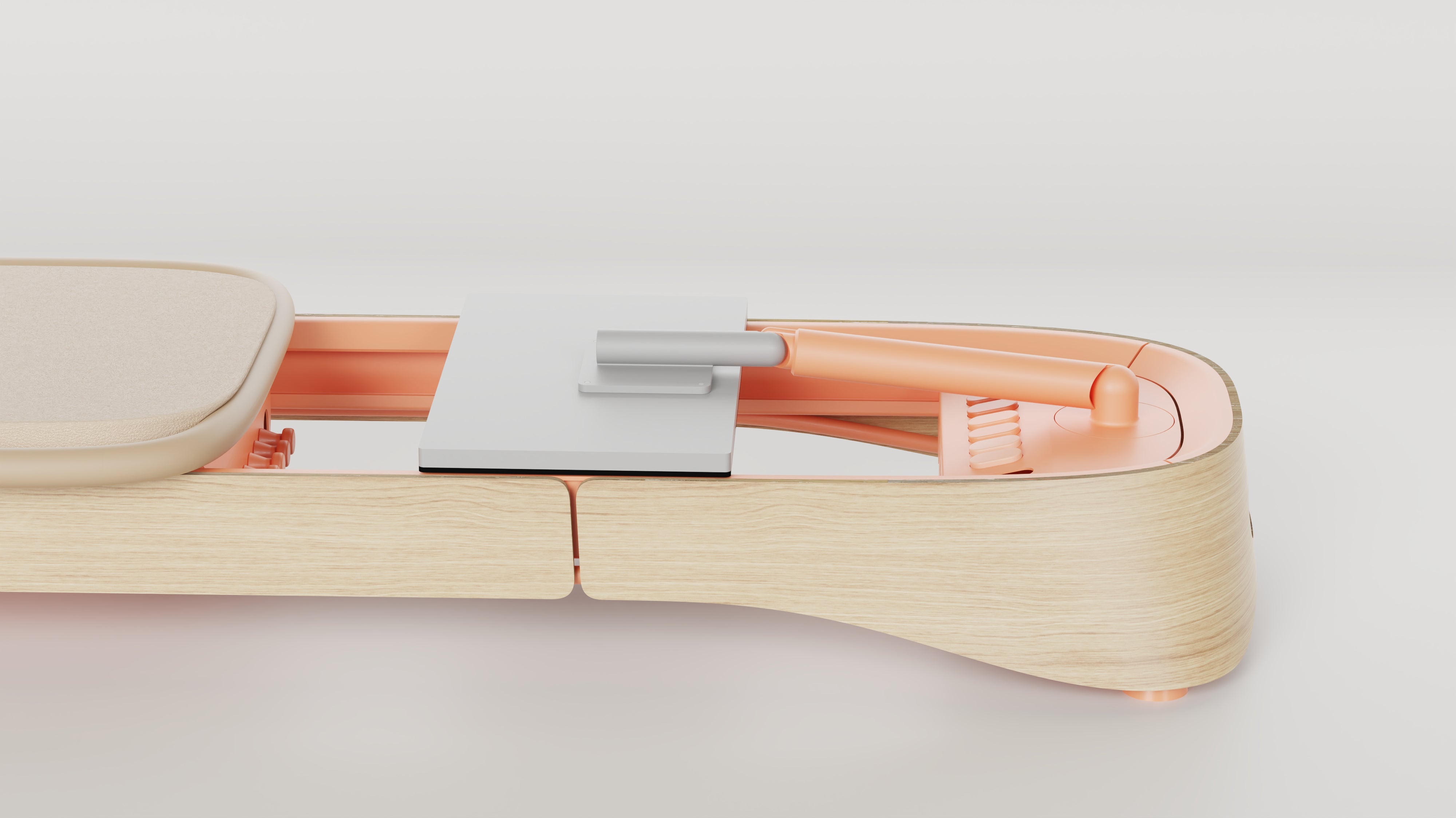
Creating a functional Pilates studio at home can feel like a puzzle, especially when square footage is limited. A reformer offers a full-body workout, but its footprint can dominate a small room. By applying thoughtful layout strategies, choosing versatile accessories, and embracing multi-purpose furniture, it’s possible to enjoy the benefits of a reformer without sacrificing living space. The following guide outlines practical, space-saving tips that blend seamlessly with everyday home environments while keeping the reformer ready for a high-quality Pilates session.
Assessing Your Available Space
Before moving any equipment, take precise measurements of the area you intend to dedicate to the reformer. Consider ceiling height, door widths, and the clearance needed for smooth carriage movement.
- Measure length, width, and height of the room.
- Allow at least 3-4 feet of clearance behind the carriage for full range of motion.
- Check floor load capacity; a sturdy, level surface is essential for stability.
When the dimensions are known, sketch a simple floor plan on graph paper or use a free online room planner. This visual aid helps identify potential obstacles such as windows, radiators, or built-in shelving.
Choosing the Right Reformer Model
Not all reformers are created equal. Some are designed specifically for compact living areas, featuring fold-away frames or detachable footbars. Selecting a model that aligns with spatial constraints reduces the need for additional storage solutions.
For a reformer that balances performance with a reduced footprint, Discover expert strategies here offers a range of options that can be tucked into a hallway or a modest bedroom without compromising functionality.
Smart Layout Techniques
1. Wall-Mounted or Fold-Down Systems
Wall-mounted rails allow the carriage to slide vertically, freeing floor space when the machine is not in use. Some models feature a fold-down carriage that rests against the wall, turning the reformer into a decorative panel.
2. Multi-Purpose Furniture Integration
Pair the reformer with a sturdy bench or a storage ottoman that doubles as a workout surface. When the reformer is folded, the bench can serve as a coffee table or extra seating.
3. Use a Dedicated Corner
Corners naturally provide three walls for support, limiting the need for additional barriers. A corner placement also keeps the reformer out of high-traffic pathways.
Essential Space-Saving Accessories
- Collapsible Resistance Bands: Store in a drawer when not in use.
- Compact Mat: Choose a thin, high-density mat that rolls tightly.
- Wall Hooks: Hang straps, cords, and small props vertically.
- Rolling Storage Cart: Keeps springs, footbars, and accessories mobile.
Integrating these accessories reduces clutter and keeps the workout area tidy. For a curated selection of accessories that complement a space-efficient reformer, Learn about our tailored solutions provides curated recommendations.
Maintaining an Organized Environment
Consistency is key. Establish a routine for folding and storing the reformer after each session. A few habits ensure the equipment remains unobtrusive:
- Wipe down the carriage and frame with a microfiber cloth.
- Detach footbars and roll them into a designated sleeve.
- Return bands and cords to wall hooks or the rolling cart.
- Slide the reformer against the wall or into its folded position.
Lighting and Ambiance
Good lighting enhances both safety and the Pilates experience. Natural light is ideal, but if the reformer is placed in a dim corner, add a floor lamp with adjustable brightness. Soft, warm lighting creates a calming atmosphere, encouraging longer, more focused sessions.
Safety Considerations
- Ensure the floor surface is non-slippery; a rubber mat can prevent movement.
- Check that the reformer is level; uneven placement can strain joints.
- Regularly inspect springs and cables for wear.
When selecting a reformer that meets safety standards while fitting a tight space, Explore advanced guides and tips offers detailed product specifications and user reviews.
Putting It All Together: A Sample Room Layout
Imagine a 10-by-12-foot bedroom with a large window on one wall. The reformer is positioned in the far corner, with the carriage folded against the wall. A slim storage ottoman sits directly opposite, serving as a seat during breaks. Wall hooks above the reformer hold resistance bands, while a rolling cart slides underneath the footbars when not in use. A floor lamp in the opposite corner provides adjustable lighting, and a light-colored rug adds comfort without overwhelming the space.
This configuration demonstrates how a reformer can coexist with daily living functions, offering a dedicated workout zone that disappears when the room is needed for other activities.
Final Thoughts
Integrating a Pilates reformer into a home with limited square footage is entirely achievable with strategic planning, the right equipment, and disciplined organization. By measuring accurately, selecting a compact model, employing wall-mounted or fold-down designs, and using multifunctional accessories, the reformer becomes a seamless part of the living environment rather than a permanent obstacle.
For readers seeking a deeper dive into product options, setup videos, and professional advice, Find out more about this approach provides a wealth of resources that align with the space-saving principles discussed above.
