
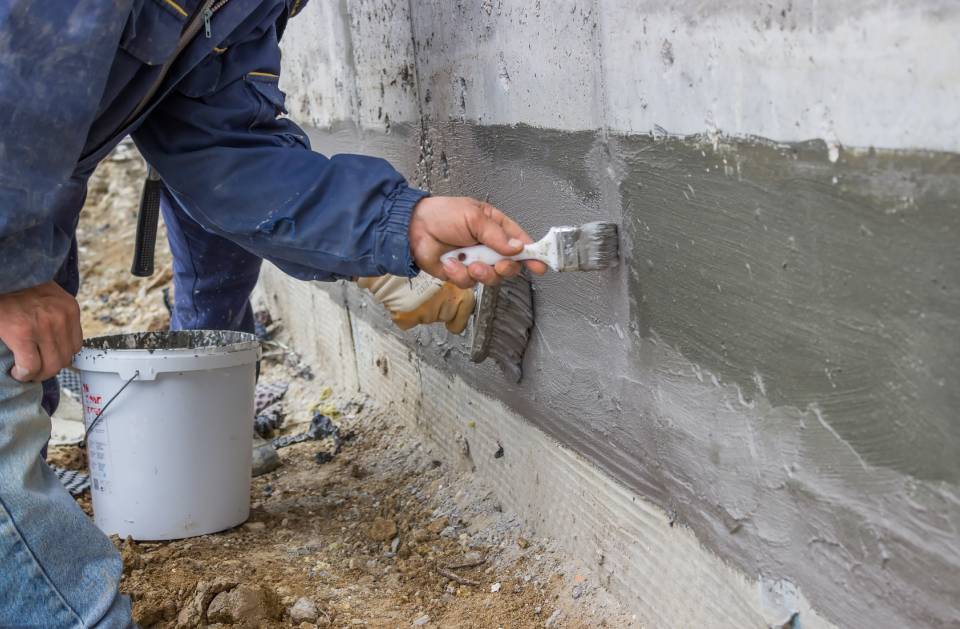
Cracks in a foundation are more than just cosmetic issues; they signal structural movement that can compromise the safety and longevity of a home. Identifying the cause early and applying the right repair methods can prevent costly damage down the line. This article explores the common reasons behind foundation cracks, the most effective repair techniques, and how to choose the right professionals to restore structural integrity.
Understanding Why Foundations Crack
Foundations are subjected to a variety of forces over time. When these forces exceed the soil’s capacity to support the structure, cracks appear. The most frequent contributors include:
- Soil Settlement: Gradual compression of soil beneath the footing, often due to changes in moisture content.
- Hydrostatic Pressure: Water accumulation against basement walls can push outward, creating stress fractures.
- Temperature Fluctuations: Expansion and contraction of building materials cause movement that may manifest as cracks.
- Improper Drainage: Poor grading or clogged gutters direct water toward the foundation, accelerating settlement.
For a deeper dive into the mechanics of settling foundations, anchor text provides a comprehensive overview.
Assessing the Severity of Cracks
Not all cracks demand immediate intervention. A systematic assessment helps determine the urgency of repair:
- Width: Cracks narrower than ¼ inch often indicate minor movement; wider gaps may signal serious structural issues.
- Pattern: Horizontal cracks are typically more concerning than vertical ones because they suggest pressure from the outside.
- Location: Cracks near load-bearing walls or corners require closer scrutiny.
- Growth Rate: Measuring a crack over a few weeks can reveal whether it’s active or dormant.
When to Call a Professional
If any of the following conditions are observed, professional evaluation is recommended:
- Cracks wider than ½ inch.
- Horizontal or stair-step cracks in basement walls.
- Doors or windows that stick or no longer close properly.
- Visible water intrusion or dampness around the foundation.
Effective Repair Methods
Modern foundation repair employs a range of techniques tailored to the underlying cause of the damage.
1. Pier and Beam Installation
Steel or concrete piers are driven deep into stable soil layers, then attached to the foundation to lift and stabilize the structure. This method is especially effective for settlement issues.
2. Wall Anchors and Bracing
For outward pressure from hydrostatic forces, wall anchors are installed on the exterior of the foundation, pulling the wall back into alignment.
3. Epoxy Injection
Fine cracks are sealed with high-strength epoxy, restoring structural continuity and preventing moisture infiltration.
4. Carbon Fiber Reinforcement
Thin carbon fiber strips are bonded to the interior of walls, providing additional tensile strength without extensive excavation.
To explore advanced guides and tips on selecting the right repair strategy, Explore advanced guides and tips. offers detailed explanations of each technique.
Choosing the Right Foundation Repair Expert
Selecting a qualified professional ensures that repairs are performed correctly and last for years to come. Consider the following criteria:
- Licensing and Certification: Verify state licensing and certifications from reputable industry organizations.
- Experience with Local Soil Conditions: Knowledge of regional geology helps in diagnosing the root cause.
- Transparent Assessment Process: A thorough inspection report with clear recommendations and cost breakdown.
- Warranty Coverage: Reputable firms stand behind their work with comprehensive warranties.
For a curated list of vetted specialists and their service philosophies, Discover expert strategies here. can be a valuable resource.
Preventative Measures to Protect Your Foundation
After repairs, ongoing maintenance is essential to prevent recurrence:
- Maintain proper grading away from the house (minimum 5% slope).
- Install and regularly clean gutters and downspouts.
- Use a French drain or interior sump pump in areas prone to high groundwater.
- Monitor moisture levels in the soil surrounding the foundation.
Conclusion
Cracks in a foundation are warning signs that should not be ignored. By understanding the causes, accurately assessing severity, employing appropriate repair methods, and partnering with qualified experts, homeowners can safeguard their investment and maintain a safe living environment. Proactive maintenance combined with informed repair decisions ensures that the foundation remains strong for generations to come.
