
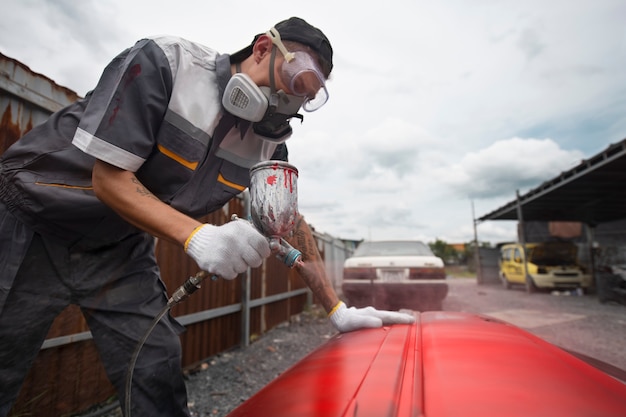
Concrete waterproofing is a crucial element in maintaining the integrity and longevity of structures exposed to moisture. It not only protects the structural components from potential water damage but also enhances the overall durability of the concrete. An effective waterproofing service involves a series of well-planned steps, each essential to achieving a robust barrier against water infiltration. A comprehensive understanding of these steps can significantly improve the quality and results of a waterproofing project.
Understanding the Importance of Concrete Waterproofing
Water intrusion in concrete structures can lead to significant issues such as corrosion of embedded steel, deterioration of concrete surfaces, and even structural failure. Concrete waterproofing is essential for:
- Enhancing the lifespan of the structure by preventing damage caused by moisture.
- Reducing maintenance costs by minimizing water-related deterioration.
- Improving indoor air quality by preventing mold growth.
- Increasing property value through enhanced durability and aesthetics.
For those interested in a thorough understanding of waterproofing benefits, discover expert strategies here.
Essential Steps for Effective Waterproofing
1. Inspection and Assessment
The initial step involves a detailed inspection of the concrete surface to identify areas vulnerable to water penetration. This assessment helps in understanding the extent of waterproofing required and the specific methods to be employed. Learn about our tailored solutions for conducting thorough assessments.
2. Surface Preparation
Proper surface preparation is vital for achieving a strong bond between the waterproofing material and the concrete. This involves cleaning the surface to remove dirt, grease, and loose particles, and repairing any cracks or voids. Surface preparation ensures that the waterproofing material adheres properly, maximizing its effectiveness.
3. Selection of Waterproofing Method
Choosing the appropriate waterproofing method is critical and depends on factors like the structure’s location, environmental conditions, and specific requirements of the project. Common methods include:
- Membrane Waterproofing: Utilizes sheets or liquid-applied membranes to form a barrier.
- Cementitious Waterproofing: A cost-effective solution for internal wet areas like bathrooms and basements.
- Crystalline Waterproofing: Involves the use of chemicals that react with moisture to form crystals, sealing the pores.
For more detailed insights, explore advanced guides and tips.
4. Application of Waterproofing Material
The application process varies based on the chosen method but generally involves applying the waterproofing material in layers to ensure comprehensive coverage. Careful adherence to the manufacturer’s instructions is necessary to achieve optimal results.
5. Quality Assurance and Testing
Post-application, it is essential to perform quality assurance tests to ensure the waterproofing is effective. This may involve water penetration tests and visual inspections to confirm that all areas are adequately sealed.
To understand more about the methods used in testing, find out more about this approach.
Customer Experiences and Feedback
Feedback from previous clients highlights the effectiveness and reliability of professional waterproofing services. Check out customer reviews here to see what others are saying about the quality and durability achieved through proper waterproofing techniques.
In conclusion, effective concrete waterproofing involves a meticulous approach encompassing inspection, preparation, method selection, application, and testing. Each step plays a crucial role in ensuring that the structure remains protected against moisture-related issues, thereby enhancing its durability and value. For those seeking professional guidance and services, exploring available resources and customer experiences can provide valuable insights into achieving optimal results.
