
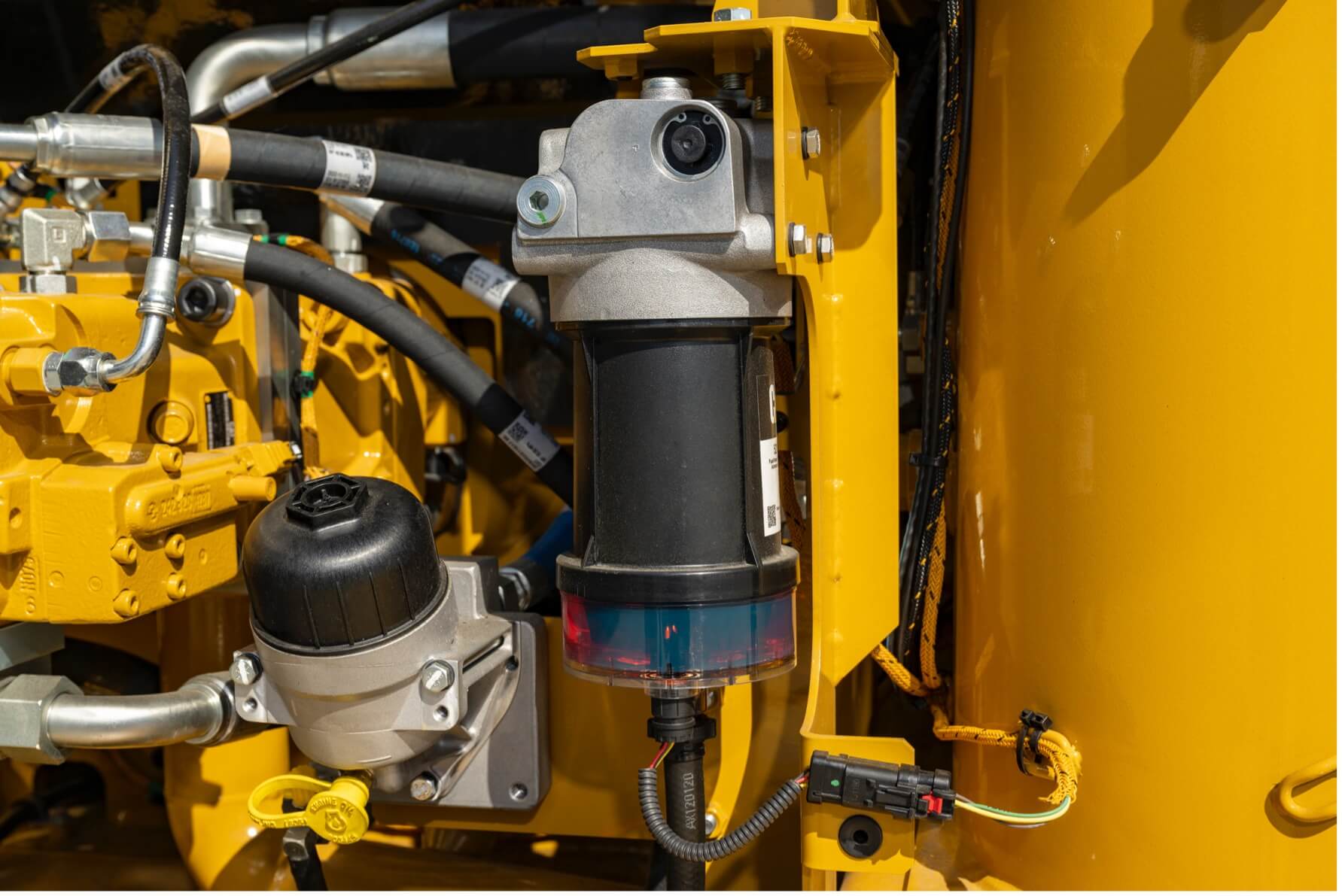
The world of hydraulic lift systems is complex and multifaceted, requiring a deep understanding of the various components that work together to ensure smooth operation. As a technician, it’s essential to have a solid grasp of the fundamental principles and components that make up these systems. In this article, we’ll delve into the essential hydraulic lift components every technician should know, covering the basics of hydraulic equipment and exploring the intricacies of hydraulic lift cylinders.
Understanding Hydraulic Lift Components
Hydraulic lift components are the backbone of any hydraulic system, working together to provide the necessary power and control to lift and move heavy loads. At the heart of any hydraulic system is the hydraulic pump, which generates the pressure required to move the fluid through the system. This pressure is then transmitted to the hydraulic motor, which converts the pressure into rotational energy. The hydraulic motor is responsible for powering the lift, and its efficiency and performance directly impact the overall effectiveness of the system.
Hydraulic Lift Cylinders: The Key to Smooth Operation
The hydraulic lift cylinder is a critical component of any hydraulic system, responsible for converting the pressure generated by the hydraulic pump into linear motion. The cylinder consists of a piston and a cylinder barrel, working together to provide a precise and controlled movement of the lift. The piston is sealed within the cylinder barrel, and as the pressure is applied, the piston moves up or down, depending on the direction of the pressure. The hydraulic lift cylinder is a critical component, and its performance directly impacts the smooth operation of the system.
- Proper installation and maintenance of the hydraulic lift cylinder are crucial to ensure optimal performance.
- A faulty hydraulic lift cylinder can lead to premature wear and tear on other components, reducing the overall efficiency of the system.
Hydraulic Lift Hydraulics: The Unsung Heroes
While the hydraulic lift cylinder is often the most visible component of a hydraulic system, the hydraulic lift hydraulics are the unsung heroes that work tirelessly behind the scenes. The hydraulic lift hydraulics are responsible for transmitting the pressure generated by the hydraulic pump to the hydraulic motor, providing the necessary power to lift and move heavy loads. The hydraulic lift hydraulics are a critical component, and their performance directly impacts the overall effectiveness of the system.
Troubleshooting Hydraulic Lift Components
As a technician, it’s essential to have a solid understanding of hydraulic lift components and how they interact with each other. When troubleshooting hydraulic lift components, it’s crucial to identify the root cause of the issue and address it promptly. A faulty hydraulic lift cylinder or hydraulic lift hydraulics can lead to premature wear and tear on other components, reducing the overall efficiency of the system.
For more information on hydraulic lift components and how they work together to provide smooth operation, visit hydraulic equipment specialists who offer a wide range of hydraulic lift components and expert advice.
When selecting hydraulic lift components, it’s essential to choose high-quality components that meet the necessary specifications. A reputable supplier, such as hydraulic lift components specialists, can provide expert advice and guidance to ensure that the right components are selected for the job.
Regular maintenance and inspection of hydraulic lift components are crucial to ensure optimal performance and extend the lifespan of the system. A faulty hydraulic lift cylinder or hydraulic lift hydraulics can lead to premature wear and tear on other components, reducing the overall efficiency of the system.
For more information on hydraulic lift components and how they work together to provide smooth operation, visit lift hydraulics specialists who offer a wide range of hydraulic lift components and expert advice.
