
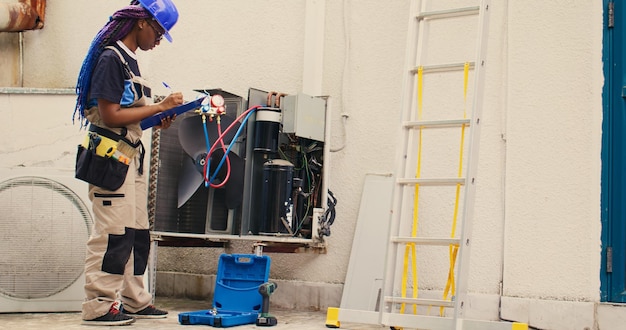
The efficiency and reliability of industrial HVAC systems are crucial for maintaining optimal environmental conditions within manufacturing facilities. Proper maintenance of these systems not only ensures a comfortable atmosphere but also enhances energy efficiency, reduces operational costs, and extends the lifespan of the equipment. With industrial demands constantly evolving, creating a structured maintenance plan is essential for any facility. This article explores the best practices for industrial HVAC maintenance, emphasizing techniques that can maximize performance and minimize downtime.
Importance of Regular HVAC Maintenance
Regular maintenance of industrial HVAC systems is vital to ensure they operate at peak efficiency. Consistent upkeep helps in:
- Reducing the risk of unexpected breakdowns.
- Enhancing energy efficiency and reducing utility costs.
- Prolonging the lifespan of the HVAC equipment.
- Improving indoor air quality and operational safety.
Discover expert strategies here to effectively implement regular maintenance routines.
Key Components of an Effective Maintenance Plan
Scheduled Inspections
Inspections should be scheduled at least twice a year to identify potential issues before they escalate. These inspections typically involve:
- Checking the integrity of all HVAC components.
- Monitoring refrigerant levels and pressures.
- Inspecting electrical connections and controls.
Learn about tailored solutions for scheduled inspections here.
Routine Cleaning and Filter Replacement
Dust and debris can significantly impair HVAC performance. Routine cleaning and regular filter replacement are essential to maintain system efficiency:
- Clean coils and blower components to ensure optimal airflow.
- Replace filters every one to three months depending on usage.
- Ensure ductwork is free from obstructions and leaks.
Explore advanced guides and tips on filter maintenance here.
Monitoring System Performance
Continuous monitoring of the HVAC system’s performance helps in detecting anomalies early. Key performance indicators include:
- Temperature consistency throughout the facility.
- Energy consumption levels and trends.
- System noise levels and vibrations.
Find out more about this approach to performance monitoring here.
Leveraging Technology for Maintenance
The integration of technology can greatly enhance the effectiveness of HVAC maintenance plans. Technologies such as IoT and predictive analytics enable more precise and proactive maintenance. Benefits include:
- Real-time monitoring and alerts for potential issues.
- Predictive maintenance schedules based on data analytics.
- Remote diagnostics and system adjustments.
Explore advanced guides and tips on leveraging technology here.
Conclusion
Efficient maintenance of industrial HVAC systems is not just a matter of operational necessity; it is a strategic approach to ensure long-term cost savings and reliability. Implementing a comprehensive maintenance plan that encompasses regular inspections, routine cleaning, and the use of technology is essential for achieving optimal performance. For more detailed insights and expert strategies, it is advisable to consult with industry specialists who can tailor solutions to specific facility requirements. Discover expert strategies here.
