
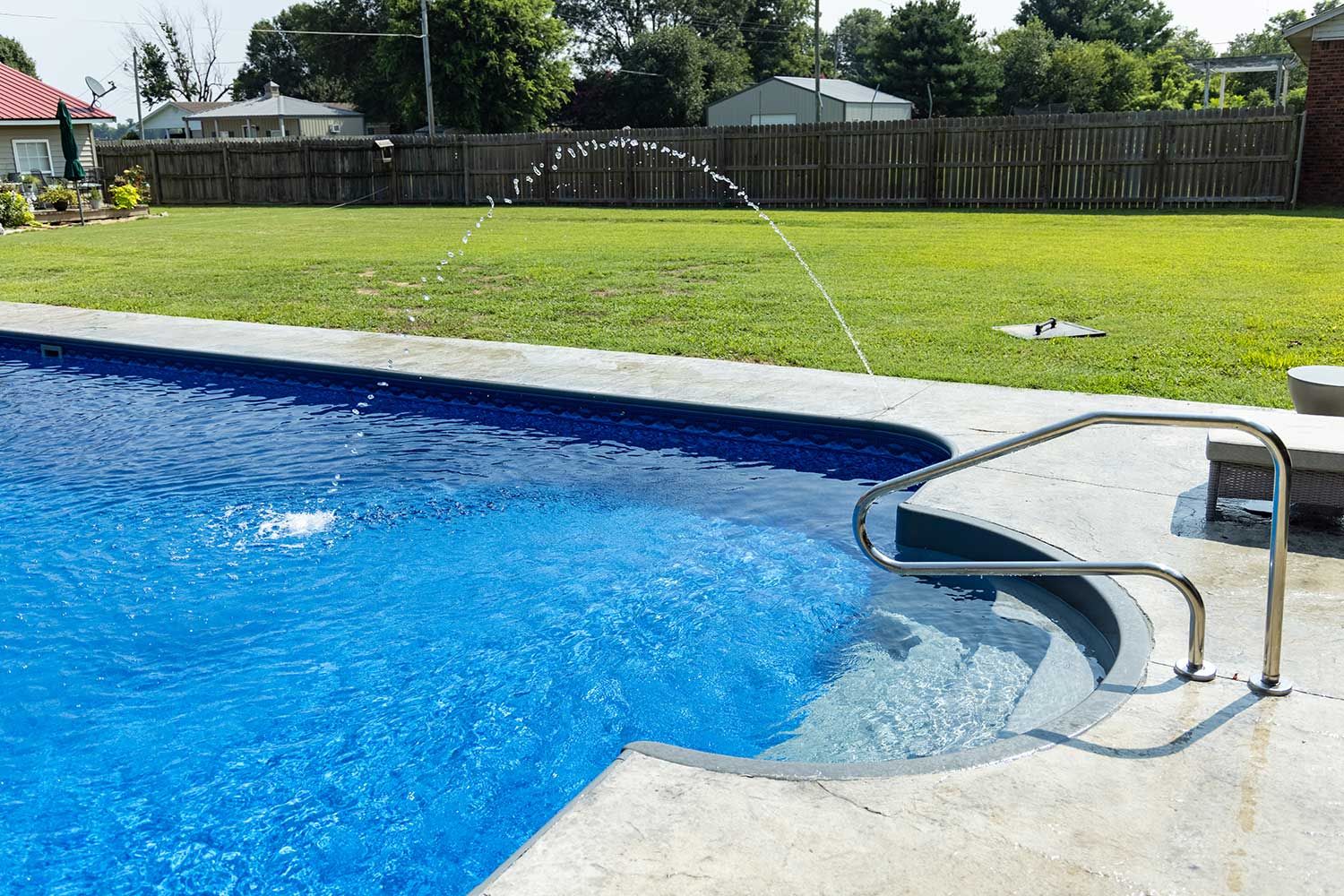
Constructing a custom pool is a significant endeavor that requires careful planning and expert execution. Whether for relaxation, recreation, or enhancing property value, a custom pool is a luxurious addition to any home. This guide provides a comprehensive overview of the essential steps and considerations for custom pool construction, ensuring a seamless process from conception to completion. From selecting the right design to understanding the construction phases, each aspect is crucial for achieving a high-quality pool that meets individual needs and preferences.
Planning and Design
Before any construction begins, thorough planning and design are key. This stage involves:
- Identifying Needs and Preferences: Determine the primary purpose of the pool, such as lap swimming, leisure, or aesthetic enhancement.
- Site Analysis: Evaluate the available space, considering factors such as slope, access, and sunlight exposure.
- Design Selection: Choose a pool design that complements the landscape and architectural style of the property. Discover expert strategies here.
Working with a professional designer can help tailor the pool to fit specific desires, incorporating features like waterfalls, lighting, and unique shapes.
Choosing the Right Materials
The choice of materials significantly impacts the durability, aesthetics, and maintenance of the pool. Key considerations include:
- Pool Finish: Options include tile, plaster, or aggregate finishes. Each offers distinct textures and colors.
- Decking Material: Choose from concrete, stone, or wood, balancing aesthetics and functionality.
- Structural Materials: Consider reinforced concrete or fiberglass, depending on budget and design complexity. Learn about our tailored solutions.
Understanding the Construction Process
Excavation and Framework
Once design and materials are finalized, the construction phase begins with excavation. This involves:
- Site Preparation: Clearing the area and marking the pool’s outline.
- Excavation: Digging the pool’s shape according to design specifications.
- Framework Setup: Installing steel reinforcement to support the pool structure.
Plumbing and Electrical
Proper plumbing and electrical installations are crucial for the pool’s operation and safety:
- Plumbing: Incorporating the necessary pipes and filtration systems.
- Electrical Wiring: Setting up lighting and heating systems, ensuring compliance with safety standards. Explore advanced guides and tips.
Finishing Touches
The final stages of construction involve adding the finishing touches that make the pool outstanding:
- Interior Finish: Applying the chosen pool finish for a smooth, attractive surface.
- Decking and Landscaping: Installing the surrounding deck and enhancing the area with landscaping features.
- Filling and Balancing: Filling the pool with water and balancing the chemicals for safe use. Find out more about this approach.
Maintenance and Care
Post-construction, maintaining the pool is essential for longevity and enjoyment. This includes:
- Regular Cleaning: Skimming, vacuuming, and maintaining equipment to prevent build-up and damage.
- Chemical Balance: Regularly testing and adjusting water chemistry to ensure a safe swimming environment.
- Seasonal Adjustments: Preparing the pool for seasonal changes, such as winterizing or opening for summer.
Engaging with pool maintenance professionals can help ensure the pool remains in optimal condition, providing years of enjoyment.
With careful planning, the right materials, and professional execution, custom pool construction can transform any outdoor space into a personal oasis. By following this guide and consulting with experts, homeowners can enjoy a pool that meets their desires and enhances their property.
