
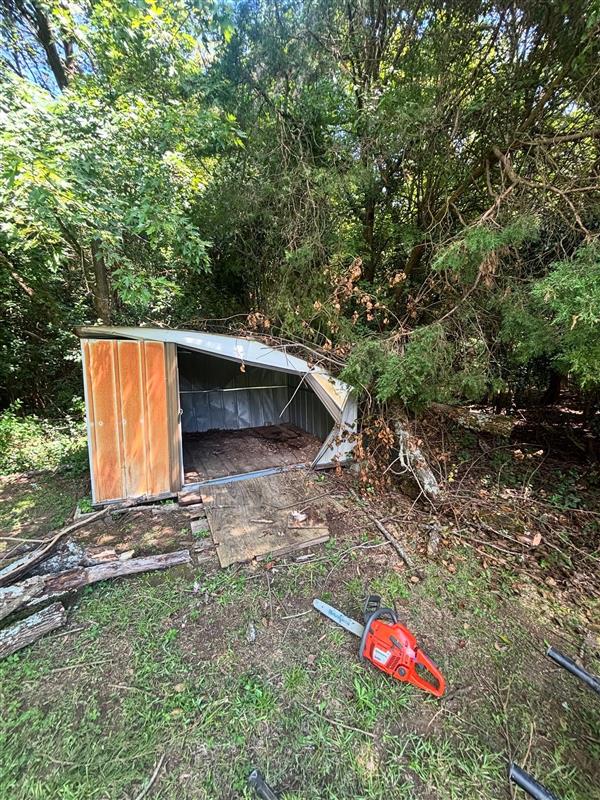
The construction industry is bustling with projects of varying scales, from small residential renovations to large commercial developments. Regardless of the project size, one common byproduct is construction debris. Efficient removal of this debris is crucial not only for maintaining a safe and clean work environment but also for adhering to local regulations and environmental standards. Quick construction debris removal solutions are essential to ensure projects remain on schedule and within budget. This article explores various strategies and best practices to manage construction waste effectively.
Understanding Construction Debris
Construction debris encompasses a wide range of materials, including:
- Concrete, bricks, and masonry
- Wood, glass, and plastic
- Metals and roofing materials
- Insulation and drywall
- Carpeting and flooring materials
Each type of material requires specific handling and disposal methods to minimize environmental impact. Proper segregation and disposal are vital for efficient waste management. Learn more in this detailed guide about the types of construction debris and their disposal methods.
Strategies for Quick Debris Removal
Planning and Coordination
Proper planning is the cornerstone of effective debris management. Before commencing a construction project, develop a waste management plan that outlines:
- Types and quantities of expected debris
- Designated areas for temporary on-site storage
- Schedules for regular debris removal
- Contact details for local waste management services
By establishing a detailed plan, project managers can anticipate potential challenges and streamline the removal process. Explore further insights here on effective construction project planning.
Utilizing Professional Services
Engaging professional debris removal services can significantly enhance the efficiency of waste disposal. These services offer:
- Specialized equipment for handling heavy and hazardous materials
- Expertise in local regulations and compliance
- Transport and disposal solutions tailored to specific debris types
Professional services not only expedite the removal process but also ensure that debris is handled in an environmentally responsible manner. Read more about this topic to understand the benefits of professional debris removal.
On-Site Recycling and Reuse
Recycling and reusing materials on-site can reduce the volume of waste that requires removal. Consider the following practices:
- Recycling scrap metal, concrete, and wood
- Repurposing materials for other project needs
- Donating surplus materials to local organizations
Implementing recycling initiatives not only minimizes waste but also contributes to sustainable building practices. Find additional information here on sustainable construction practices.
Conclusion
Efficient construction debris removal is a critical component of any successful building project. By understanding the types of construction debris and employing strategic removal solutions, project managers can maintain a clean and safe job site while adhering to environmental standards. Whether through meticulous planning, engaging professional services, or adopting on-site recycling methods, quick construction debris removal is achievable with the right approach and resources. To delve deeper into construction waste management strategies, explore further insights here.
