
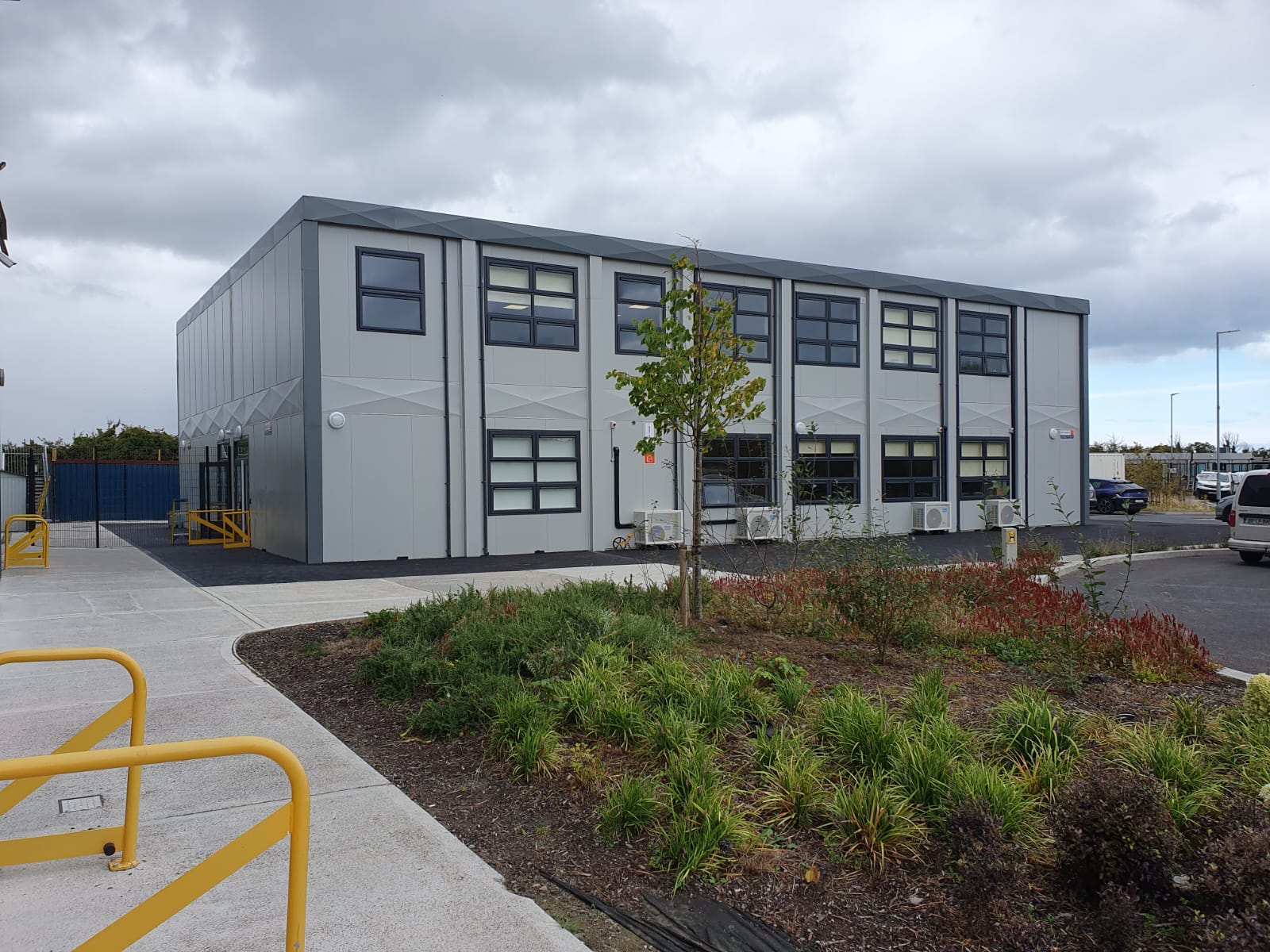
In the ever-evolving landscape of construction, offsite construction has emerged as a transformative approach, promising enhanced efficiency, reduced timelines, and superior quality control. This method involves the manufacturing and assembly of building components in a controlled factory environment, before they are transported to the construction site for final assembly. As urbanization increases and timelines become more stringent, offsite construction provides a strategic advantage for project managers and developers. Leveraging this method can lead to significant improvements in project delivery, cost management, and environmental sustainability.
The Benefits of Offsite Construction
Offsite construction offers a multitude of benefits that can greatly improve the execution and delivery of construction projects. Some of the primary advantages include:
- Improved Quality Control: Factory settings allow for meticulous quality checks and adherence to high standards, resulting in superior component quality.
- Reduced Construction Time: Parallel processing of site preparation and component manufacturing significantly cuts down project timelines.
- Enhanced Safety: Controlled environments reduce the risk of accidents and ensure better adherence to safety protocols.
- Environmental Benefits: Reduced waste and optimized resource use contribute to more sustainable construction practices.
- Cost Efficiency: Predictable costs and reduced labor requirements can lead to better financial management and savings.
For a deeper understanding of how these benefits apply to specific projects, discover expert strategies here.
Applications in Various Sectors
Offsite construction is not limited to any single sector, and its applications are diverse:
Residential Buildings
In the residential sector, prefabricated homes are becoming increasingly popular. They offer quick assembly times and customizable designs, making them an attractive option for homeowners and developers alike.
Commercial Projects
For commercial buildings, offsite construction can provide the flexibility needed to meet tight deadlines and adapt to changing requirements. The ability to produce large-scale components in parallel with site preparation is invaluable.
Infrastructure Development
Infrastructure projects benefit from the precision and speed of offsite construction. Bridges, tunnels, and transportation hubs can be built with enhanced efficiency and reliability.
To explore advanced guides and tips on applying offsite construction across different sectors, find out more about this approach.
Challenges and Considerations
Despite its benefits, offsite construction comes with its own set of challenges that need to be addressed:
- Logistical Challenges: Transporting large components requires detailed planning and can pose logistical issues.
- Upfront Investment: Initial costs for setting up factory environments can be significant, requiring careful financial planning.
- Design Limitations: Prefabricated components may restrict design flexibility, necessitating creative solutions.
To learn about tailored solutions that can help overcome these challenges, learn more here.
The Future of Offsite Construction
As technology continues to advance, the future of offsite construction looks promising. Innovations in digital modeling, automation, and sustainable materials are set to push the boundaries of what can be achieved. These advancements will likely make offsite construction an even more attractive option for future projects.
For those interested in staying ahead of the curve and incorporating the latest techniques in their projects, explore advanced guides and tips offered by industry experts.
