
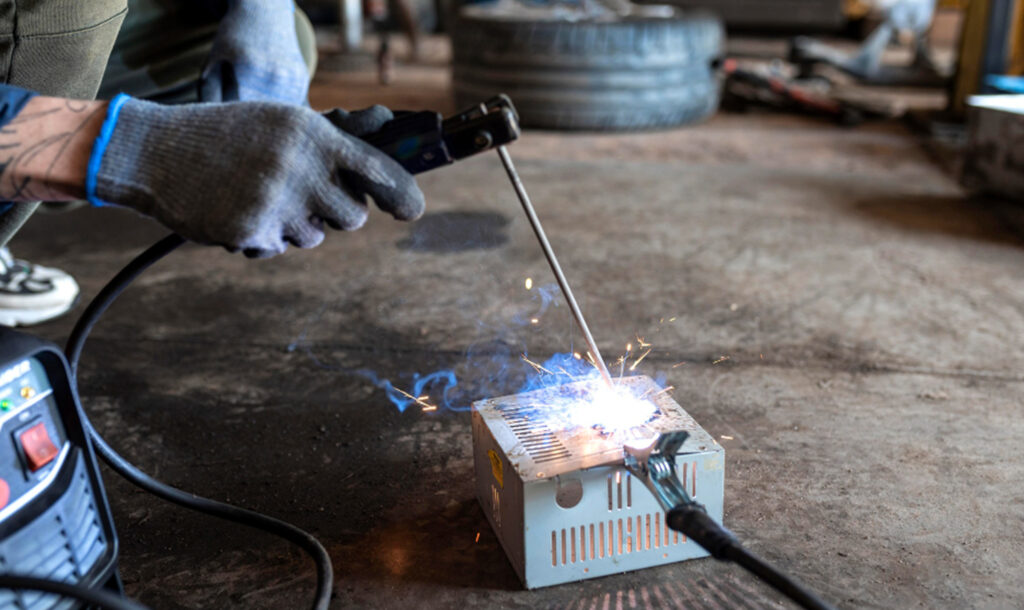
In today’s rapidly advancing industrial landscape, ensuring the integrity of materials used in construction, manufacturing, and engineering is paramount. Materials testing services play a crucial role in verifying that materials meet the required specifications and standards, ensuring safety, durability, and performance. This article delves into the importance of materials testing, the various methods employed, and the benefits of utilizing professional materials testing services.
Understanding Materials Testing
Materials testing involves a series of assessments and analyses conducted to evaluate the properties, composition, and performance of materials. This process helps in identifying material defects, understanding material behavior under different conditions, and ensuring compliance with industry standards. Discover expert strategies here.
Key Objectives of Materials Testing
- Quality Assurance: Ensures materials meet specified quality standards.
- Safety Verification: Confirms that materials can withstand operational stresses and environmental conditions.
- Performance Optimization: Helps in selecting the right materials for specific applications.
- Compliance with Standards: Verifies adherence to industry and regulatory standards.
Methods of Materials Testing
Various methods are employed in materials testing, each designed to assess different aspects of material properties. Learn about our tailored solutions.
Destructive Testing
This method involves testing materials until they fail, thereby understanding their performance limits. Common destructive tests include:
- Tensile Testing: Measures the force required to pull a material apart and its elongation.
- Impact Testing: Assesses a material’s ability to absorb energy during a collision.
- Hardness Testing: Determines a material’s resistance to deformation or penetration.
Non-Destructive Testing (NDT)
NDT methods are crucial for evaluating material properties without causing damage. These include:
- Ultrasonic Testing: Uses high-frequency sound waves to detect internal flaws.
- Magnetic Particle Testing: Identifies surface and near-surface defects in ferrous materials.
- Radiographic Testing: Employs X-rays or gamma rays to examine the internal structure of a material.
Explore advanced guides and tips.
Benefits of Professional Materials Testing Services
Engaging with professional materials testing services offers numerous advantages:
- Accurate Results: Expert analysis ensures precise and reliable test outcomes.
- State-of-the-Art Equipment: Access to the latest technology for comprehensive testing solutions.
- Cost-Effectiveness: Prevents costly failures by identifying potential issues early in the development process.
- Expertise and Experience: Skilled professionals provide valuable insights and recommendations.
Conclusion
Materials testing services are indispensable for industries aiming to maintain high standards of safety, quality, and performance. By employing a combination of destructive and non-destructive methods, these services ensure that materials are fit for purpose and compliant with necessary specifications. For those seeking comprehensive materials testing solutions, a professional service can offer the expertise and technology needed to achieve optimal results. Find out more about this approach.
