
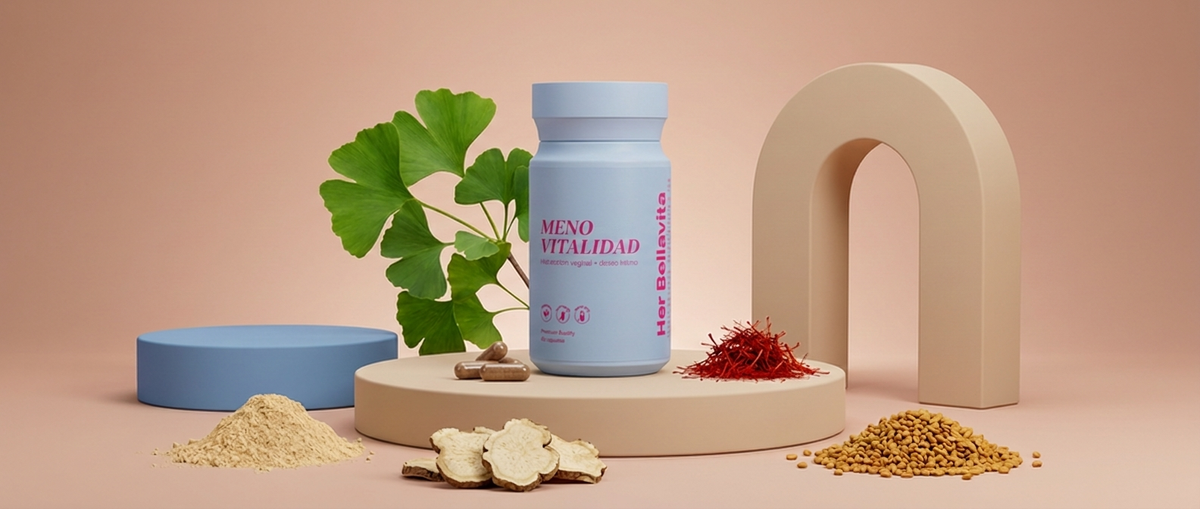
Menopause brings a cascade of hormonal adjustments that often affect the vaginal tissues, leading to discomfort, itching, and a noticeable loss of moisture. While topical moisturizers and lubricants can provide temporary relief, many women look for a more sustained, systemic approach. Scientific research and clinical experience point to a handful of nutraceuticals and botanical extracts that support vaginal hydration, improve tissue elasticity, and reduce inflammation. This article reviews the most effective supplement options, explains how they work, and offers practical guidance for integrating them into a daily routine.
Understanding the Root Causes of Vaginal Dryness in Menopause
During the menopausal transition, estrogen levels decline sharply. Estrogen is essential for maintaining the thickness and elasticity of the vaginal epithelium and for stimulating the production of natural lubricants. When its levels fall, the following changes typically occur:
- Thinning of the vaginal lining (atrophic vaginitis).
- Reduced blood flow to the genital area.
- Lowered collagen synthesis, which compromises tissue resilience.
- Increased sensitivity to irritants and a higher risk of infections.
These physiological shifts are often accompanied by related symptoms such as sequedad en la vulva, painful intercourse, and occasional urinary discomfort. Addressing the underlying hormonal imbalance with targeted supplements can help restore moisture and comfort.
Key Nutrients and Botanicals for Vaginal Hydration
1. Isoflavones (Soy, Red Clover)
Isoflavones are plant-derived compounds that mimic estrogen’s weak activity in the body, known as phytoestrogens. Clinical trials have shown that daily intake of 40-80″?mg of isoflavones can improve vaginal elasticity and reduce dryness.
- Source: soy protein, red clover extract.
- Typical dose: 1-2 capsules per day.
- Benefit: gentle estrogenic effect without the risks associated with hormone therapy.
2. Omega-3 Fatty Acids
EPA and DHA, found in fish oil and algal oil, support cell membrane health and reduce inflammation. A study published in *Menopause* reported that women who supplemented with 1″?g of omega-3 daily experienced less vaginal irritation and improved lubrication.
- Source: krill oil, fish oil, algae-based capsules.
- Typical dose: 1,000″?mg EPA/DHA combined.
- Benefit: enhances blood flow and promotes mucosal moisture.
3. Vitamin”?E & Vitamin”?C
Both antioxidants protect vaginal tissues from oxidative stress and support collagen synthesis. Vitamin”?E, applied topically, is popular, but oral supplementation (400″?IU daily) also contributes to systemic tissue repair.
- Vitamin”?E: 400″?IU/day.
- Vitamin”?C: 500-1,000″?mg/day.
- Benefit: faster healing of micro-tears and reduced itching.
4. Hyaluronic Acid (HA)
HA is a natural humectant that retains water molecules, keeping tissues hydrated. Oral HA (120″?mg/day) has been shown to increase vaginal moisture scores in post-menopausal women.
- Source: fermented soy or bacterial fermentation.
- Typical dose: 120″?mg once daily.
- Benefit: improves lubrication without hormonal activity.
5. Probiotics
A balanced vaginal microbiome is essential for maintaining pH and preventing irritation. Strains such as Lactobacillus rhamnosus and Lactobacillus reuteri help sustain a healthy environment, indirectly supporting moisture.
- Form: capsule or fermented dairy.
- Typical dose: 10″?billion CFU daily.
- Benefit: reduces risk of infection and promotes natural lubrication.
Choosing the Right Supplement Formulation
When evaluating products, look for formulations that combine several of the above ingredients. A comprehensive blend can address multiple pathways, hormonal, inflammatory, and structural, simultaneously. The following criteria are useful:
- Standardized extracts: Ensure the label specifies the exact amount of active compounds (e.g., 40″?mg isoflavones).
- Third-party testing: Guarantees purity and potency.
- Absence of unnecessary fillers: Choose products free of artificial colors, flavors, or excessive binders.
One product that meets these standards is a suplemento para la hidrataci??n vaginal specifically designed for menopausal women. It combines isoflavones, hyaluronic acid, omega-3, and a probiotic blend, offering a holistic solution for hidratacion vaginal and overall comfort.
Integrating Supplements with Lifestyle Strategies
Supplements work best when paired with supportive habits:
- Hydration: Aim for at least 2″?L of water daily to maintain mucosal moisture.
- Regular pelvic floor exercises: Strengthening the pelvic floor improves blood circulation to the genital area.
- Balanced diet: Include phytoestrogen-rich foods (flaxseed, tofu) and omega-3 sources (salmon, walnuts).
- Avoid irritants: Choose fragrance-free soaps and breathable cotton underwear.
For women experiencing additional symptoms such as dolor ovarios menopausia or mood changes, a comprehensive approach that also addresses mental health may be necessary. A Tratamiento de la depresi??n menop??usica that incorporates omega-3 and vitamin”?D can provide synergistic benefits.
Safety Considerations and When to Seek Medical Advice
Most of the supplements described are well tolerated, but it is essential to consider the following:
- Consult a healthcare professional before starting any new supplement, especially if you are on anticoagulants or hormone therapy.
- Monitor for gastrointestinal upset, which can occur with high doses of fish oil or probiotics.
- Discontinue use and seek evaluation if you notice persistent bleeding, severe itching, or unusual discharge.
If vaginal dryness is severe or accompanied by recurrent infections, a physician may recommend prescription estrogen therapy or a specialized suplemento para la sequedad vaginal en la menopausia as part of a broader treatment plan.
Conclusion
Vaginal dryness is a common yet manageable symptom of menopause. By selecting evidence-based nutraceuticals, such as isoflavones, omega-3 fatty acids, hyaluronic acid, and targeted probiotics, women can restore moisture, improve tissue health, and enhance overall quality of life. Pairing these supplements with proper hydration, pelvic floor care, and a balanced diet maximizes benefits. For those seeking a convenient, clinically supported option, a well-formulated suplemento para la sequedad vaginal offers an effective, non-hormonal pathway to lasting comfort.
