
Pre-workout supplementation has become a cornerstone of modern fitness routines across the United Kingdom. Whether the goal is to boost energy, improve focus, or enhance muscular endurance, the right formula can make a noticeable difference in training outcomes. This guide breaks down the science, key ingredients, safety considerations, and practical tips for selecting and using pre-workout products that align with UK regulations and personal performance goals.
Understanding the Core Ingredients
Caffeine – The Primary Energiser
- Improves alertness and reduces perceived effort during high-intensity sets.
- Typical dosage ranges from 150″?mg to 300″?mg per serving; individual tolerance varies.
- Timing: 30-45 minutes before training for optimal plasma concentration.
Beta-Alanine – Buffering Muscle Acidity
- Increases carnosine levels, helping to delay muscular fatigue.
- Standard dose: 2-5″?g per day, often split into multiple servings to minimise tingling sensations.
- Consistent use over 2-4 weeks is required to see performance benefits.
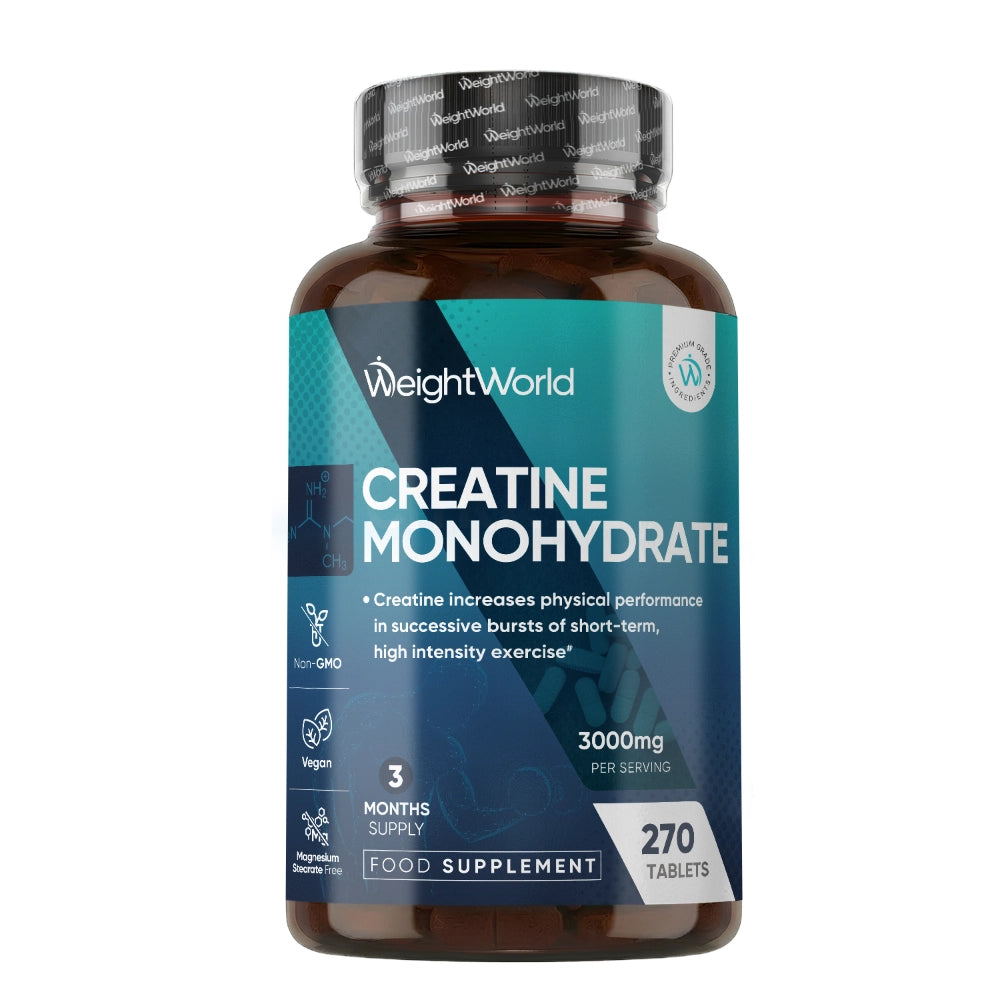
Creatine Monohydrate – Powering Strength Gains
- Enhances ATP regeneration, supporting repeated explosive efforts.
- Loading phase (optional): 20″?g daily for 5-7 days, followed by a maintenance dose of 3-5″?g.
- Well-studied safety profile; can be combined with most pre-workout blends.
Other Common Additives
- L-Citrulline / Citrulline Malate – Boosts nitric oxide production for better blood flow.
- Tyrosine – Supports cognitive function under stress.
- Electrolytes – Maintain hydration during prolonged sessions.
Choosing a UK-Compliant Pre-Workout
The British market follows strict regulations set by the Food Standards Agency (FSA) and the Medicines and Healthcare products Regulatory Agency (MHRA). When evaluating products, look for clear labelling, third-party testing, and compliance with the Discover expert strategies here. This ensures that the supplement contains the ingredients listed on the label, without prohibited substances.
Key Factors to Evaluate
- Ingredient Transparency: Full disclosure of each component and its exact dosage.
- Third-Party Certification: Marks from organisations such as Informed-Sport or Labdoor.
- Allergen Information: Clear statements about gluten, dairy, or soy content.
- Packaging Date & Shelf Life: Guarantees potency, especially for heat-sensitive compounds.
Effective Usage Protocols
Pre-Workout Timing
- Consume the supplement 30-45 minutes before the first set.
- Avoid taking caffeine within 6″?hours of bedtime to prevent sleep disruption.
- Hydration is crucial; drink at least 250″?ml of water with the dose.
Cycle Management
- Implement a 4-week on / 1-week off cycle to prevent tolerance buildup, particularly with caffeine.
- During off weeks, maintain creatine intake to preserve muscle stores.
- Track performance metrics (e.g., reps, weight lifted) to assess effectiveness.
Safety Considerations and Contra-Indications
While most pre-workout blends are safe for healthy adults, certain populations should exercise caution. Individuals with cardiovascular conditions, anxiety disorders, or sensitivity to stimulants should consult a healthcare professional before use. Additionally, pregnant or breastfeeding women are advised to avoid high-caffeine formulations.
- Start Low, Go Slow: Begin with half the recommended serving to assess tolerance.
- Monitor Side Effects: Common issues include jitteriness, heart palpitations, or gastrointestinal upset.
- Drug Interactions: Caffeine can interact with certain medications, such as some antibiotics and heart drugs.
Integrating Pre-Workout with Nutrition and Training
Optimal results stem from a holistic approach that aligns supplementation with diet and programming. Pairing a well-timed pre-workout with a balanced meal containing carbohydrates and protein can amplify glycogen replenishment and muscle protein synthesis. For detailed nutrition plans, Learn about our tailored solutions.
Sample Pre-Training Meal
- Whole-grain toast with natural peanut butter (complex carbs + healthy fats).
- Greek yoghurt with berries (protein + antioxidants).
- 250″?ml of water or a low-calorie electrolyte drink.
Where to Find Quality Pre-Workout Products in the UK
A reputable online retailer offers a curated selection of pre-workout formulas that adhere to UK standards. By browsing the dedicated collection, athletes can Explore advanced guides and tips. that accompany each product, helping to match the supplement to specific training goals, whether it’s strength, endurance, or hypertrophy.
Factors Influencing Price and Value
- Ingredient purity and sourcing (e.g., pharmaceutical-grade caffeine).
- Batch testing results and certification logos.
- Packaging size – larger containers often provide a lower cost per serving.
Conclusion
Navigating the pre-workout landscape in the United Kingdom requires a blend of scientific understanding, regulatory awareness, and personal experimentation. By focusing on transparent ingredient lists, adhering to safe dosing protocols, and integrating supplementation with proper nutrition and training cycles, athletes can unlock measurable performance gains. For those ready to deepen their knowledge and select products backed by rigorous testing, Find out more about this approach. and make informed decisions that align with both short-term goals and long-term health.
