
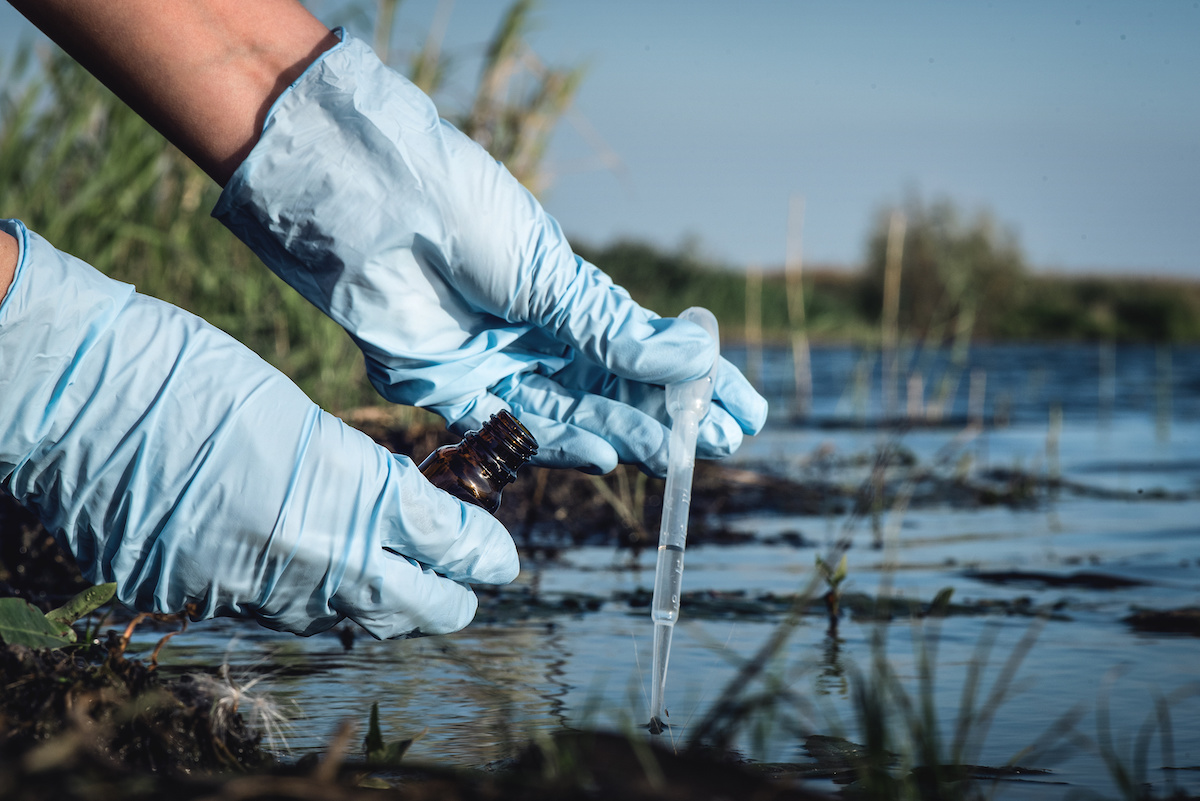
Water quality testing is a critical aspect of environmental management, playing a significant role in ensuring the safety and health of aquatic ecosystems and human communities. Understanding how to conduct effective water quality testing is essential for identifying pollution sources, assessing regulatory compliance, and implementing corrective measures. This article provides a comprehensive guide to conducting water quality testing, highlighting key considerations and methodologies to ensure reliable and accurate results.
Understanding the Importance of Water Quality Testing
Water quality testing involves analyzing various physical, chemical, and biological parameters to determine the health status of water bodies. Effective testing helps in:
- Monitoring pollution levels and identifying contamination sources.
- Ensuring water meets safety and regulatory standards.
- Protecting public health and preserving aquatic ecosystems.
Key Parameters for Water Quality Testing
To effectively assess water quality, it is essential to focus on several key parameters:
Physical Parameters
- Temperature: Influences the metabolic rates of aquatic organisms.
- Turbidity: Measures water clarity, important for aquatic life and water treatment processes.
Chemical Parameters
- pH Level: Indicates the acidity or alkalinity of water, affecting chemical solubility and biological processes.
- Dissolved Oxygen (DO): Essential for aquatic organisms; low levels can indicate pollution.
- Nutrients (Nitrogen and Phosphorus): Excessive amounts can lead to eutrophication.
Biological Parameters
- Microbial Contaminants: Presence of bacteria, viruses, and protozoa can indicate pollution and health risks.
For a deeper understanding of these parameters and their importance, discover expert strategies here.
Steps to Conduct Water Quality Testing
Conducting water quality testing involves several steps to ensure accuracy and reliability:
1. Planning and Preparation
- Define the objectives of the testing and select appropriate parameters.
- Identify sampling locations and schedule based on the study goals.
- Prepare necessary equipment and ensure all tools are calibrated and sterilized.
2. Sampling
- Collect samples following standard protocols to avoid contamination.
- Store samples correctly to preserve their integrity until analysis.
3. Analysis
- Use standardized methods for analyzing each parameter.
- Record and document all findings meticulously.
For more detailed methodologies, explore advanced guides and tips.
4. Interpretation of Results
- Compare results against regulatory standards and historical data.
- Identify trends and potential pollution sources.
Challenges and Considerations
Water quality testing can present challenges that need to be addressed to ensure accurate results:
- Environmental Variability: Natural changes can affect water quality, requiring consistent monitoring.
- Complexity of Pollutants: Some pollutants require advanced techniques for detection.
- Resource Limitations: Adequate funding and expertise are crucial for comprehensive testing.
To address these challenges, find out more about this approach.
Conclusion
Conducting effective water quality testing is fundamental to safeguarding water resources and protecting public health. By understanding key parameters, following systematic processes, and addressing challenges, reliable and accurate water quality assessments can be achieved. For further insights and tailored solutions, learn about our tailored solutions.
