
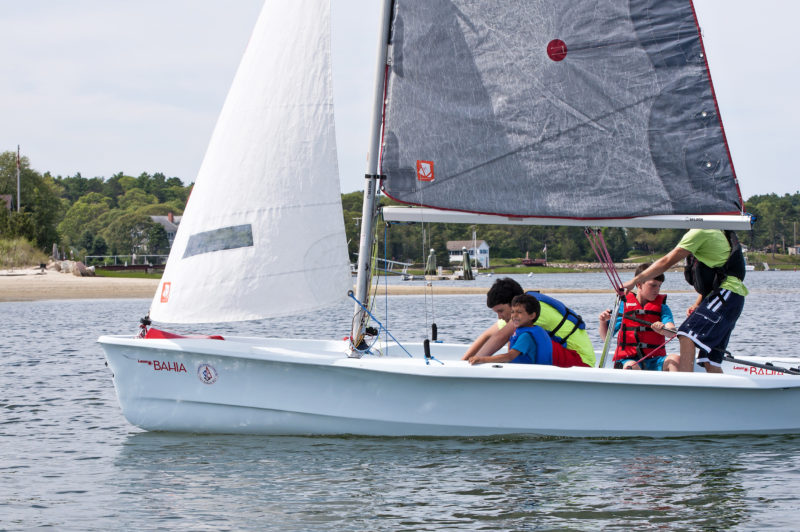
Embarking on the journey to learn sailing can be both exhilarating and daunting. For those who have always been captivated by the idea of navigating the open waters, the initial step is often to find a suitable sailing course. Beginners are often overwhelmed by the myriad of options available, making it essential to choose a course that aligns with their needs and learning pace. This article provides a comprehensive guide to discovering sailing courses nearby, ensuring that aspiring sailors can embark on their maritime adventure with confidence.
Identifying the Right Course
Finding the right sailing course involves several considerations to ensure it meets your expectations and learning requirements. Here are some key factors to consider:
- Skill Level: Ensure the course is designed for beginners. Advanced techniques and jargon can be overwhelming for novices.
- Certification: Check if the course offers certification upon completion, which can be beneficial for future sailing endeavors.
- Duration: Courses can vary in length. Decide if you prefer an intensive short-term course or a more relaxed long-term schedule.
- Location: Consider courses in nearby locations that are accessible and convenient for regular attendance.
To explore further insights into selecting the right course, learn more in this detailed guide.
Understanding Course Content
Basic Skills and Techniques
Beginner courses typically cover fundamental sailing skills and techniques, such as:
- Knot Tying: Learning essential knots used in sailing, like the bowline and clove hitch.
- Navigation: Understanding basic navigation principles, including chart reading and compass use.
- Sailing Theory: Grasping the basic concepts of wind patterns, sail trim, and boat balance.
For those interested in a deeper understanding of these skills, read more about this topic.
Safety and Emergency Protocols
Safety is paramount in sailing, and beginner courses emphasize the following:
- Life Jacket Use: Proper fitting and use of life jackets for personal safety.
- Emergency Procedures: Familiarity with man-overboard drills and other emergency protocols.
- Weather Awareness: Understanding weather conditions and how they affect sailing.
Find additional information on essential safety measures here.
Choosing the Right Instructor
The effectiveness of a sailing course largely depends on the instructor’s expertise and teaching style. Consider the following when selecting an instructor:
- Experience: Look for instructors with extensive sailing experience and a solid teaching background.
- Communication Skills: Effective instructors should be able to convey complex concepts in an understandable manner.
- Patience: A patient instructor is essential for beginners who may require more time to grasp new skills.
Explore further insights on selecting the right instructor here.
Conclusion
Learning to sail is an enriching experience that opens up a world of adventure and freedom. By selecting the right course, understanding the content, and choosing an experienced instructor, beginners can confidently set sail on their new journey. For those looking to delve deeper into the world of sailing, additional resources and guidance can be explored here.
Remember, the key to a successful sailing experience lies in a solid foundation of skills and knowledge, embarked upon with enthusiasm and a spirit of discovery.
