
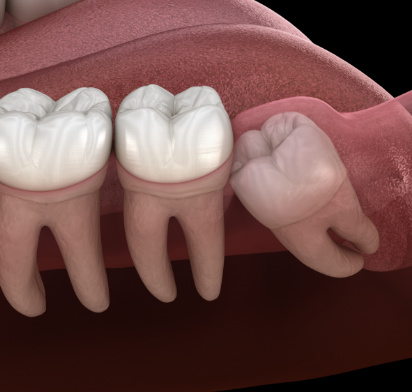
Wisdom teeth extraction is a common dental procedure that many adults undergo. These third molars, typically emerging in late adolescence or early adulthood, can sometimes pose problems if they become impacted or misaligned. Understanding the intricacies of the extraction process can alleviate concerns and prepare individuals for what to expect before, during, and after the procedure. This article delves into the stages of wisdom tooth extraction, highlighting essential preparation and recovery strategies that can enhance the overall experience.
Why Extraction is Necessary
Wisdom teeth removal is often recommended due to several potential issues:
- Impaction: When there isn’t enough space for wisdom teeth to emerge properly, they may become trapped within the jaw.
- Crowding: Newly erupted wisdom teeth can push neighboring teeth, leading to misalignment.
- Decay and Disease: Partially erupted wisdom teeth can create pockets that trap food and bacteria, increasing the risk of cavities and gum disease.
- Pain and Discomfort: Pressure and swelling from impacted teeth can cause significant discomfort.
For more in-depth information on the necessity of extraction, discover expert strategies here.
The Extraction Procedure
Initial Consultation and Assessment
The first step in the wisdom tooth extraction process involves a thorough consultation with a dental professional. During this appointment, X-rays are typically taken to assess the position and health of the wisdom teeth. This evaluation helps in planning the extraction approach, ensuring minimal risk and discomfort.
To understand more about tailored solutions for initial assessments, learn about our tailored solutions.
Preparation and Anesthesia
Before the extraction, patients are briefed on the procedure and anesthesia options are discussed. Depending on the complexity of the case, local anesthesia, sedation, or general anesthesia may be used to ensure patient comfort. It’s crucial for patients to disclose their medical history and any medications they are taking to the dental professional.
The Extraction Process
The actual extraction process varies based on the position and condition of the tooth. Generally, the steps include:
- An incision in the gum tissue to expose the tooth and bone.
- Removal of bone that blocks access to the tooth root.
- Division of the tooth into sections if it’s easier to remove in pieces.
- Extraction of the tooth, followed by cleaning the site.
- Suturing the wound to promote healing.
For comprehensive guides on the extraction techniques, explore advanced guides and tips.
Post-Extraction Care
Immediate Aftercare
Post-extraction care is crucial for a smooth recovery. Patients are usually advised to rest and avoid strenuous activities for a few days. Applying ice packs can help reduce swelling, and prescribed pain medications can manage any discomfort.
Long-Term Recovery
Proper oral hygiene is essential after the procedure to prevent infection. This includes gentle rinsing with salt water and avoiding brushing the extraction site initially. A follow-up appointment is often scheduled to monitor healing.
To find out more about effective recovery strategies, find out more about this approach.
Conclusion
Wisdom tooth extraction, while a routine procedure, requires careful planning and aftercare to ensure the best outcomes. Understanding each step of the process can help mitigate anxiety and promote a smoother recovery. By consulting with experienced dental professionals and adhering to recommended care guidelines, individuals can manage their oral health effectively during this common transition.
