
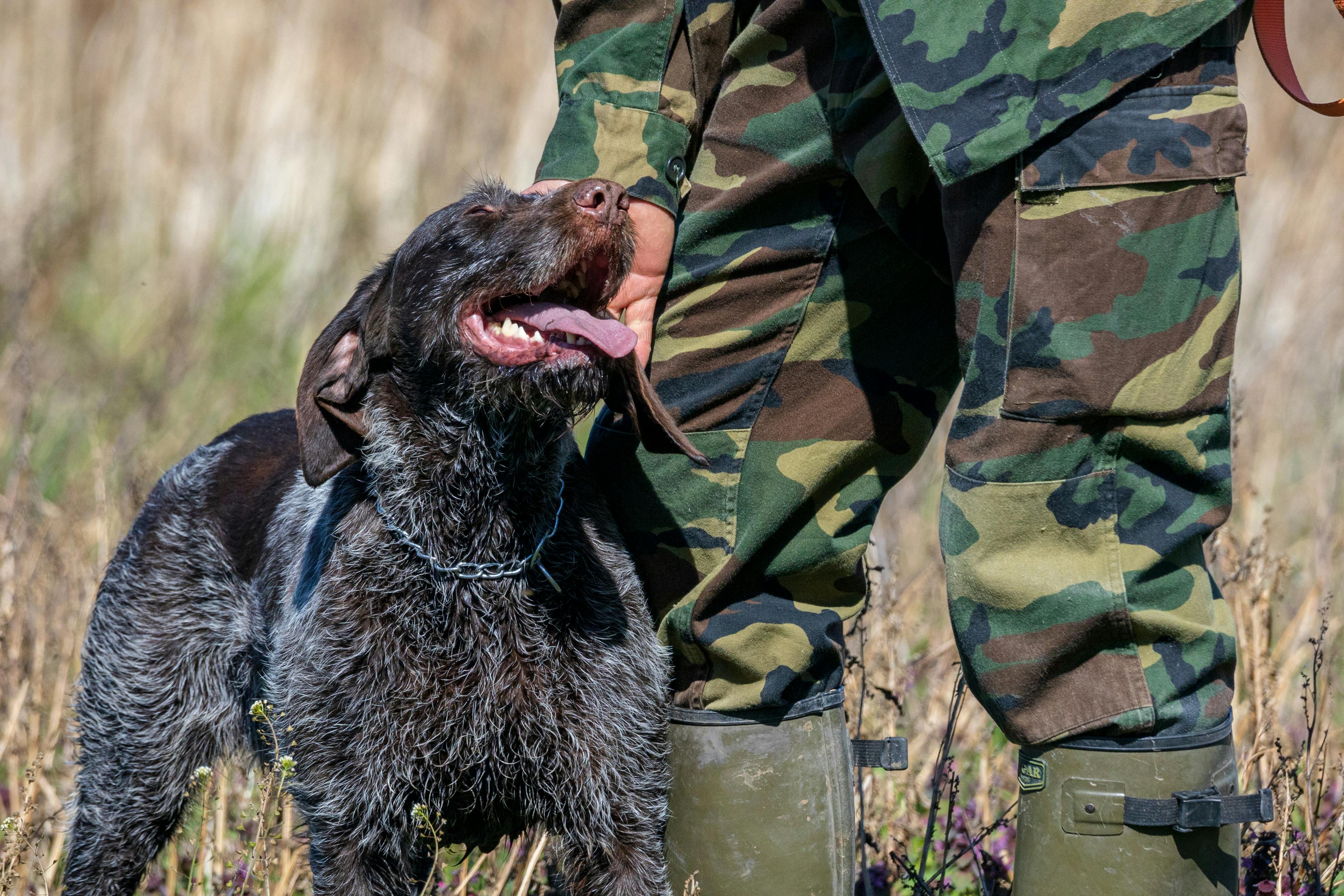
Wildlife can be both a captivating and a troublesome presence in our environment. While many species play a crucial role in maintaining the ecological balance, they can also pose significant challenges when they encroach on human habitats. This intrusion often results in damage to property, agriculture, and even poses health risks. Implementing effective wildlife damage control methods is essential to mitigate these issues, ensuring a harmonious coexistence between humans and wildlife.
Understanding Wildlife Behavior
Before implementing any control method, it is crucial to understand the behavior of the wildlife causing the damage. Different species have varying habits and instincts, which must be considered for an effective approach.
- Identify the species: Knowing the species causing the damage is the first step to addressing the problem effectively.
- Understand their patterns: Recognizing patterns such as feeding, nesting, and migratory habits can aid in devising targeted strategies.
- Assess the extent of damage: Determine the severity and frequency of the damage to prioritize action plans.
Explore advanced guides and tips on understanding wildlife behavior here.
Preventive Measures
Prevention is often the most effective form of wildlife damage control. Implementing preventive measures helps in reducing the likelihood of wildlife intrusions.
Habitat Modification
- Remove attractants: Ensure that food sources such as garbage and pet food are securely stored.
- Alter landscaping: Use plants that are less attractive to wildlife and maintain clear areas around buildings.
- Secure structures: Repair holes and seal entry points to prevent access to buildings.
Discover expert strategies here to effectively modify habitats and deter wildlife.
Exclusion Techniques
- Fencing: Erect barriers that are appropriate for the species and the landscape.
- Netting: Protect crops and gardens with netting to prevent access.
- Screening: Install screens or covers on vents and chimneys.
Find out more about this approach here.
Control Methods
When preventive measures are insufficient, more direct control methods may be necessary. These methods should be humane, effective, and compliant with local regulations.
Trapping
- Select appropriate traps: Use traps that are designed for the specific species.
- Follow ethical practices: Ensure that trapping methods are humane and legal.
- Professional assistance: Engage licensed professionals when necessary to handle complex situations.
Learn about our tailored solutions for trapping and other control methods here.
Repellents
- Natural repellents: Use plant-based or organic repellents to deter wildlife.
- Chemical repellents: Apply chemical deterrents cautiously and according to guidelines.
- Audio and visual deterrents: Implement noise devices or reflective surfaces to scare off intruders.
Explore advanced guides and tips on using repellents here.
Conclusion
Effective wildlife damage control requires a comprehensive understanding of both the wildlife involved and the environment they inhabit. By employing a combination of preventive measures and control methods, it is possible to manage wildlife-human interactions successfully. It is vital to approach wildlife control with a mindset that emphasizes harmony and sustainability. For more information on wildlife damage prevention and to explore further strategies, visit this resource.
